A LongForm
Gaslighting by Jack Mind
Gaslighting often starts not with a big lie but with small corrections from someone you trust, until you check your own memory with them before you believe it. It can be spotted, often by what it does to you, and you can get your footing back.
October 18, 2026
In a 1944 film called Gaslight, a husband slowly turns down the gas lamps in the house. The rooms grow dim. His wife notices. He tells her the light is the same as always, and that she is imagining it.
He insists, and he keeps insisting. In time she stops trusting her own eyes and begins to believe she is going mad.
That is where the word comes from. Gaslighting means getting someone to doubt what they saw, heard and remember, until they rely on you to tell them what is real.
The strange part is not that someone would lie like that. It is that the lie works. The wife could see the lamps. So why did his word beat her own eyes? The answer, taught here from Gaslighting by Jack Mind, is also the way out.
By the end, you will discover:
- why a lie from someone you trust, repeated with conviction, can beat your own memory, and how it grows in three stages (1, 2, 3)
- the moves gaslighters use at home and at work, and what each one is aiming at (4, 5, 6)
- the signs that show up in you before you can name what is happening (7, 8)
- what drives a gaslighter, and why it is not about you (9)
- how to keep a record outside your head and set a boundary that holds (10, 11)
- how to protect yourself while you cannot leave, and how to tell when it is time to go (12, 13)

The lights really were dimmer
She was right. The lights really were dimmer. The husband, Gregory, had married Paula after a fast romance, and his aim was to drive her mad, so he could have her locked away and take the money she inherited.
Notice what Gregory does not need. He offers no proof. He simply insists on his version, again and again.
That works because of who is saying it. When someone you trust, respect or love sounds completely sure, it is hard not to believe them. It is harder still if there is a grain of truth in what they say, or if they press on a sore spot you already worry about.
The psychologist Edward Weinshel saw two sides to it, in 1981. One person pushes their own doubts and faults onto the other. The other person takes them in as their own. Gregory's lie about the lamps becomes Paula's fear about her own mind. The mistakes, the confusion and the blame all end up living inside the one being gaslit.
So a large part of the answer is trust. Seen this way, the wife was not only weighing her eyes against his words. She was weighing them against her wish to believe the man she loved.

It starts with a correction you accept
Gaslighting seldom opens with something as big as the lamps. It often starts small.
You are telling a story, and the other person corrects one small detail. Their version sounds reasonable, so you accept it. No harm done.
But they remember that small win and use it again later: you got it wrong before, so you might be wrong now. Each correction you accept makes the next one easier. Slowly, even simple daily decisions start to feel hard, and you find yourself checking with them first.
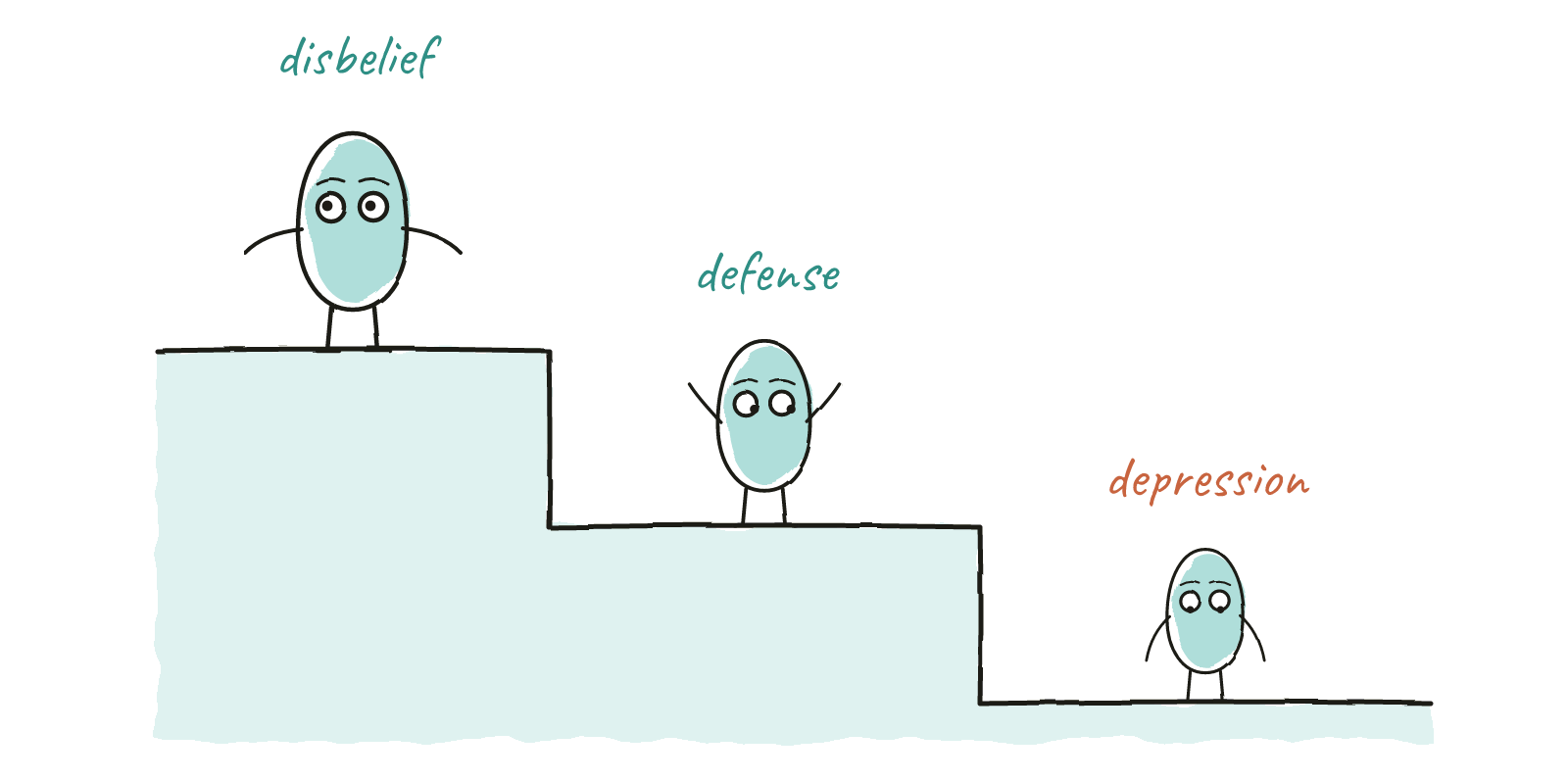
It tends to move through three stages.
- Disbelief. They say something so odd you can hardly believe your ears. You think you misheard, or that they were joking. You may argue, but you are still fairly sure of your own view.
- Defense. You start gathering proof that you are right. You argue with them constantly, often only in your head, desperate to win their approval.
- Depression. You start trying to prove that they are right, because then maybe you could do things their way and finally win their approval. By now you feel low and hopeless, and can hardly remember the person you used to be.
Not everyone goes through all three. But look at the direction. In the first stage you defend your own view. By the last, you are defending theirs.
The hook is your need for their approval
Gaslighting needs something to hold on to, and that something is often in you.
Maybe a small part of you feels you are not good enough on your own. Or you feel you need this person's love or approval to feel whole. That is the opening. A gaslighter will use it again and again to make you doubt yourself.
That is why it shows up most where power is uneven. The person being gaslit usually has less power. They are afraid of losing something: the relationship itself, a job, a parent's love, or the comfort the relationship brings. To keep the peace, they bend their own view to fit the other person's.
Some people are easier targets. People who feel unsure of themselves keep looking for comfort. A gaslighter often starts by giving them exactly that: lots of praise early on, before the other side shows. People who are very sensitive to other people's feelings can be easy to sway too. But a skilled gaslighter can catch even the most sensible person.
One caution before going further. Plenty of people are annoying, stubborn or wrong without being gaslighters. Gaslighting has a darker quality: a steady effort to make you doubt your own reality. Keep that line clear, so you do not start seeing it in everyone you meet.

Every move aims at your trust in yourself
Gaslighters use a small set of moves. They look different, but they share one target: your confidence in what you saw, felt and remember.
Denial. They deny promises they made and say the conversation happened only in your head. "No, that never happened." "We've already talked about this. Don't you remember?"
Shrinking your feelings. When something upsets you, they laugh it off or play it down, until you feel like a child having a tantrum. "You're too sensitive!" "I was only kidding!" "That's all in your head."
Hijacking the issue. You raise something real, and they steer the talk somewhere else. Say your partner comes home very late without calling, and you were worried sick. You ask where they were. Instead of answering, they talk about how stressed they are at work, and how you never understand. Soon you are the one explaining yourself, even apologizing. Your question never gets an answer.
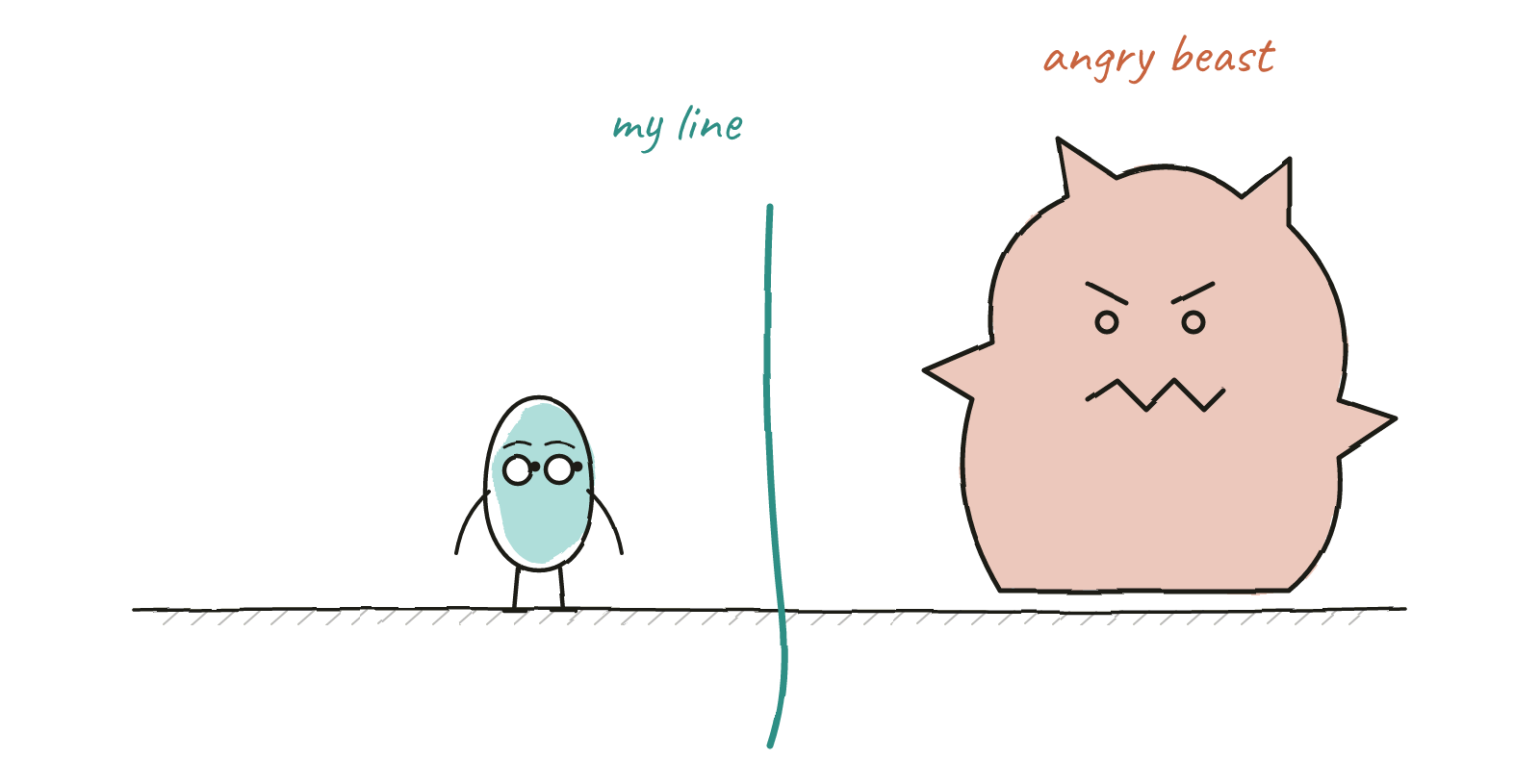
The angry beast. You raise something small, and they explode, far bigger than the problem. Shocked, you back down, and next time you may not raise it at all. That retreat is what the explosion was for.
Playing doctor. They hint that something is wrong with your mind. You are "unstable", "not all there". They may even tell you to see a doctor for your mind, as if they only cared about your wellbeing.
Turning the blame. Try to talk about how they hurt you, and the talk flips until you are the reason for their behavior. A partner caught cheating may say that if you could believe it of them, you must be the unfaithful one.
Kind words, no change. When you call them out, they may surprise you with warmth. Kindness is welcome. But kind words with no change in behavior keep you hoping while the thing that hurt you goes on.

It cuts you off from anyone who could check
A gaslighter also works to separate you from the people who would tell you that you are fine.
Under the cover of worry, they may tell your friends and family that you have been unstable or acting strangely. Then they may tell you that those same people think you are crazy. They may stir up suspicion of others too, warning you that someone looked at you the wrong way, until those friendships wear thin.
Each step makes sense on its own. Together they leave one result: the only person left to tell you what is real is the person who has been bending it.

At work, it hides in small slights you can't prove
The same pattern turns up at work, in quieter forms. In a UK survey of over 3,000 people by MHR, a company that helps other firms manage staff, 58% said they had experienced what they believed was gaslighting at work. Common forms include:
- taking credit for your work
- mocking you, how you act or how you dress, in front of colleagues
- setting deadlines you cannot meet
- holding back information you need for a project
Each one alone looks small. Open bullying is easy to see. These moves are built to plant doubt, slowly, about your skill and your value. That is why they are often caught only after the damage is done.
Picture a saleswoman promoted after five years in a cosmetics store. Her new boss seems kind at first. Then the boss gives her so many small tasks that she has no time to learn the new job. At a department meeting, the boss tells everyone she still has not learned the job after nearly three months, and might be sent back. The trap was built in plain sight, one small task at a time.

The clearest signs are in you
Gaslighting is hard to see from inside, because what it damages is your judgment. So instead of studying them, look at yourself. Some signs:
- You keep second-guessing yourself.
- You ask yourself "Am I excessively sensitive?" over and over, every day.
- You are always saying sorry, often for things that are not your fault.
- You make excuses for their behavior to friends and family.
- Before they get home, you go through a list in your head of anything you may have done wrong that day.
- You find it hard to make simple decisions.
- You know something is wrong, but you cannot quite say what, even to yourself.
- You sense you used to be a different person: more sure of yourself, more relaxed.
None of these proves gaslighting on its own. But if several feel familiar, look harder at the relationship. Pay most attention to what is new. Did you once trust your memory, and now you often doubt it? Then look at the person in your life before you blame yourself.
There is also a feeling to watch for. Acting against what you believe feels uncomfortable. The psychologist Leon Festinger called this cognitive dissonance. An honest person who tells a lie feels it. Most people rush to make that feeling go away, often by explaining it away.
Under gaslighting, the discomfort is a clue. Maybe you catch yourself doing, saying or agreeing to things that go against your own values, because someone else said so. That is a strong sign you are being manipulated. Don't explain the feeling away. Listen to it.
The people who care about you often see the signs before you do. If someone you trust tells you they are worried, take time to really think about what they say.

Over time, it wears you down
In the short term, gaslighting leaves you confused and anxious. You feel you must step very carefully all the time, because you can never tell what will set the other person off. You stay on guard. You go quiet, because speaking up brings more pain. You feel guilty, because you are blamed so often. You may even avoid eye contact, to feel smaller and take up less space.
Many of these ease once you are away from the person and around people who treat you well.
Some effects can last longer. You may feel numb and cut off from life. You may need everyone to like you, or stay angry about how you were treated. You may feel deeply low, or judge yourself and others harshly. Even after you leave, you may still doubt what you see and feel, and hold back your feelings, expecting to be dismissed.
These deeper effects are where a therapist helps most. A therapist is a neutral person who can help you trust your own sense of reality again.
It is about control, and it is not about you
At its root, gaslighting is about control. The need for that control can come from different places.
Some gaslighters have a lasting problem in how they see themselves and treat others. One kind, narcissistic personality disorder, affects about 1% of people. Its marks: they think they matter far more than others, they need to be admired, and they care little about how others feel. Underneath sits a fragile picture of themselves that can shatter at the smallest criticism. The researchers Bushman and Baumeister put the difference in one line: "High self-esteem means thinking well of oneself, while narcissism implies passionately wanting to think well of oneself." Someone who likes themselves can be calm about it. A narcissist badly needs to, so anything that threatens that picture feels like an attack.
That is why your view is a threat. If you see them clearly, their picture of themselves cracks, so your picture has to go.
Other gaslighters may not know they are doing it. Someone raised by parents who believed there was only one right answer may never learn that other views can be right too. To them, correcting you feels like helping.
But you do not need to diagnose anyone. Whatever drives it, the behavior and the harm are the same. And some patterns point to a choice, whatever the label. They treat you this way, but not everyone. They pick when to do it and how far to push. And it grows worse over time.
First, what they say about you says more about their need to feel in charge than about you. Keep that in mind, and their words start to lose their grip. Second, you are not the reason they act this way, so you are not the cure either.
Can they change? People can. But change would mean letting themselves be seen as weak or wrong, which is exactly what this pattern protects them from. Even with therapy it usually takes years. Do not stay because you hope they will change.

Keep the record outside your head
Gaslighting works on your memory. So the first defense is to stop keeping your memory only in your head.
Write it down. Note the specific things they say and do that make you doubt yourself, with examples, as they happen. Over time a pattern appears on the page that is hard to argue with. If there is abuse, keep proof: recordings, witnesses. If the gaslighter is a boss who takes credit, bring up your ideas when other people are in the room.
Then rebuild your circle. Gaslighting thrives on isolation, so reach back out to the friends and family you drifted from. Make appointments to see them if you have to, and treat those appointments as seriously as a business meeting. The less alone you are, the weaker their hold.
Finally, reconnect with yourself. Take quiet time to breathe and be still. The aim is to get back in touch with your own thoughts and perceptions, so you can trust them again.

A boundary needs a consequence you will keep
A boundary is not telling someone how to live. It is telling them how they may treat you, and what you will do if they don't.
Gaslighting attacks boundaries head on. You are told you are overreacting, that it bothers nobody else, that you are oversensitive. The aim is to make you drop the boundary by convincing you it is silly. But your boundaries are your business. Nobody else gets to decide them, and nobody has to agree with them.
The hard part is the follow-through. Once you have stated a boundary clearly and the other person refuses to accept it, you have to carry out the consequence. If you don't, you will be pushed into silence, which is what the angry beast wanted all along.
It helps to prepare. Before you talk to them, write down the boundaries they may not cross and what you will do if they do. Writing it first helps you speak calmly. Shouting or crying tends to feed them.
When they rewrite events, you can say it plainly: that is not what happened. Say it for yourself, not to win. They are unlikely to agree, and you do not need them to.
While you cannot leave, keep your distance
Sometimes you cannot walk away yet. The person is a parent or a boss, or someone you share a home, a business or children with. Then the goal is to protect yourself while you plan. One limit comes first: if there is abuse, these steps are not enough, and the answer is to get out. These steps fit a gaslighter who badly needs to be admired.
Stay out of the inner circle. Keep a warm but steady distance. The people closest to them get the worst of the mood swings, and more chances to be seen as a threat.
Don't try to expose them. You may want to show them, or everyone, that they are not as wonderful as they think. It usually brings a huge backlash, and they will not agree with you anyway.
Don't hand them your weak spots. If they know what you want most or fear most, they can use it. A calm "I know I'll be happy either way" gives them less to grab.
Say no with a reason outside your control. A plain refusal can hit them hard. A work deadline, a wedding or a trip already booked is safer than saying you don't want to.
Watch what they do, not what they say. Their promises are risky. Reward their behavior, not their words.
Use how they want to look. They care far more about looking bad than about other people's feelings. Asking what people would think of something may stop them where asking how you feel would not.
These are ways to get through, not to fix anything.
Get yourself back, and know when to go
Rebuilding starts with your picture of yourself, the thing the gaslighter worked hardest to take.
One simple exercise: write a list headed "Who I want to Be", with the qualities you want, such as creative, funny or brave. Then break each quality into small steps. Creative might become: try different creative forms, buy a sketchbook, use art to let out anger or sadness. Each step is something you can do soon, and the list is yours, not theirs.
When the old voice starts up, try this. Next time they call you names or mock you, imagine they are saying it to a friend. You would tell your friend the other person was wrong, and that your friend deserves love. Give yourself the same respect.
Keep an outlet too, like a journal, so the words you could not say have somewhere to go. And get professional help if you can. A therapist can help you see your situation clearly and rebuild your self-worth.
Then ask the honest question: is there anything here to save? Look at the person without making excuses for them. Has your partner ever done anything for you without expecting something back? Can they be the person you need? Do not let a few short moments of kindness hide a mountain of bad behavior.
If both of you want to save it, both of you have to change, and therapy is likely needed. A partner who is comfortable with things as they are is a strong sign nothing will change. Threats when you try to leave are a sign you are making the right choice.
If there is any physical violence, the time to go is now, or as soon as you can leave safely. Leaving can make them angry or dangerous, so plan it quietly, and have people ready to help the moment you give the word.
You may grieve when you leave, even someone who hurt you. Get support through it, and do not blame yourself for being fooled. The wife in the film was never losing her mind. Someone turned the lamps down and told her she was imagining it. Once you see the hand on the lamp, you can start trusting your own eyes again.

Get the next one on Sunday.
A free weekly LongForm, in your inbox.