A LongForm
Emotional Intelligence 2.0 by Joseph Griffith
Most people feel first and react a second later, with no gap in between. Emotional intelligence is the skill of opening that gap: noticing the feeling, finding its cause and choosing what to do. It can be learned.
October 11, 2026
Steve Jobs was back at Apple after about a decade away. At a developers' conference, a man in the audience stood up and attacked him in public.
He could have fired straight back. He did not.
He paused for a few seconds and took a breath. He took a sip of water. Then he said, "You know, you can please some of the people some of the time, but …" and took another long pause, to gather his thoughts.
Nothing about the attack had changed in those seconds. What changed was Jobs. The pause gave him time to feel the sting and see it clearly. Then he chose his reply. The sting did not choose it for him.
That gap between feeling and acting is where emotional intelligence lives. It is not a gift some people are born with. It is a set of skills, and this LongForm teaches them from Emotional Intelligence 2.0 by Joseph Griffith.
By the end, you will discover:
- why a feeling is better treated as a message than as an order (1)
- what the four skills of emotional intelligence are, and what it is not (2)
- how naming a feeling precisely, and finding it in your body, makes it easier to handle (3)
- a simple three-step way to respond instead of react (4, 5)
- where your triggers come from, and why other people can see what you cannot (6, 7)
- how to read someone else, and the three kinds of empathy (8, 9)
- how the same skills can strengthen a relationship, or be turned against you (10, 11)
- how to tell when you are emotionally drained, and what helps (12)
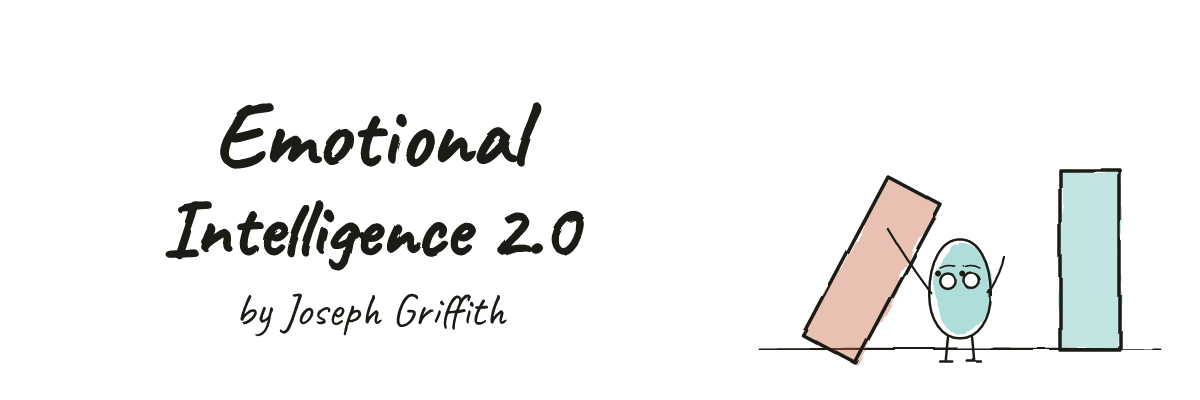
A feeling is a message, not an order
You are in a meeting, halfway through making your point, and a colleague cuts you off.
Heat rises in your face. On autopilot, you snap back, or you go quiet and stew for the rest of the day. Either way, the feeling has decided for you.
Now treat the same feeling as a message. What is it? Frustration, maybe embarrassment. And frustration often means reality is different from what you expected: you expected to finish your point. Once you see that, you have choices. You can calmly ask to finish your thought. You can raise it with your colleague later. The feeling is still there. It just no longer gives the orders.
Every feeling can be read this way. Feeling calm and satisfied can mean you achieved something. Sadness can mean you lost something. Even envy has something to tell you: ask what it is pointing at.
That is why it does not help to sort feelings into good ones to keep and bad ones to hide. A feeling you push away does not vanish. It tends to come back later. A feeling you let in and listen to tends to pass without taking control of you.
So the useful question is never how to stop feeling something. It is what the feeling is telling you, and what you want to do about it.
Emotional intelligence is four skills you can learn
Emotional intelligence means noticing your own feelings and handling them well. It also means doing the same with other people's feelings. It breaks into four skills:
- Self-awareness: knowing what you feel, why, and how it is helping or hurting what you are trying to do.
- Self-management: using what you know about your feelings so they work for you, instead of running you.
- Social awareness: picking up what other people feel and what they are going through.
- Relationship management: using all of that to make your relationships work.
The order matters. You cannot manage a feeling you have not noticed, and you cannot read other people well while you are lost in your own reactions.
It is not only empathy, the skill of sharing what others feel. Empathy is one slice of it.
It is not the same as being cheerful, calm or easygoing. Those are part of someone's nature. They help people, but they are something else.
It is not something you switch off before a big decision. Every choice you make is shaped by feelings, whether you notice them or not.
It is not just knowing things. Most people know that smoking and fast food every day are bad for them, and many keep doing both. Knowing what someone feels does not make you emotionally intelligent. Acting well on what you know does.
And it has limits as a measure. There is a well-known test that scores how clever someone is, called IQ. There is no proven test like that for emotional intelligence. Some studies link it to doing well at work, and others find no link at all. So treat it as a set of useful skills, not as a score that decides your future.
Name the feeling, and find it in your body
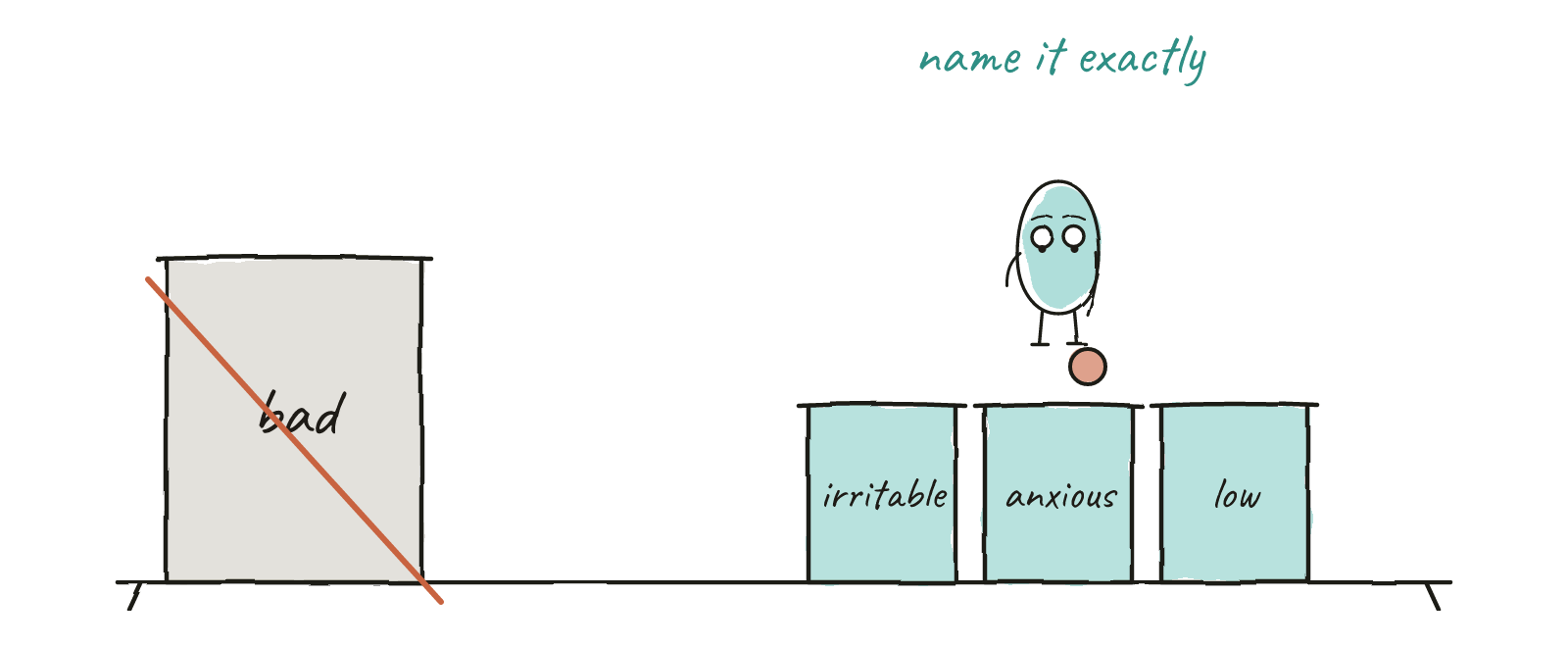
Ask someone how they feel, and you will often hear "bad". That word covers a lot of ground. Are you irritable? Low? Frustrated? Anxious?
The more precisely you can name a feeling, the more you learn about it: where it came from and what might help. Few people can name their feelings well as they happen, and that gap leads to misunderstandings and poor decisions.
Your body is a good place to look for clues, because body and mind affect each other deeply. Stress can feel like a knot in your stomach, a tight chest or fast breathing. Sadness can make your limbs feel slow and heavy when you get up. Happiness and nerves can both bring butterflies or a racing heart.
A simple habit builds this skill. Set a timer to go off a few times a day. When it rings, stop what you are doing, stand up and take a deep breath. Then ask three questions: What am I feeling right now? Where is it coming from? Where do I feel it in my body?
Check in like this when you wake up and before you sleep, too. Done often enough, it becomes second nature.
Before you act, name it, find the cause, then choose
When a strong feeling hits, three small steps can turn a reaction into a response.
Step 1: Name what you are feeling. Anger, sadness, worry, frustration? Be specific.
Step 2: Find the cause. This is the hard part, because it asks for honesty. Are you angry and bitter at your boss because they told you that you missed your targets? Is something at home spilling into your workday?
Step 3: Act. Once you know what you feel and where it comes from, there is always something you can do. Sometimes the step is simply seeing that the feeling is unfair, out of place or aimed at the wrong person.
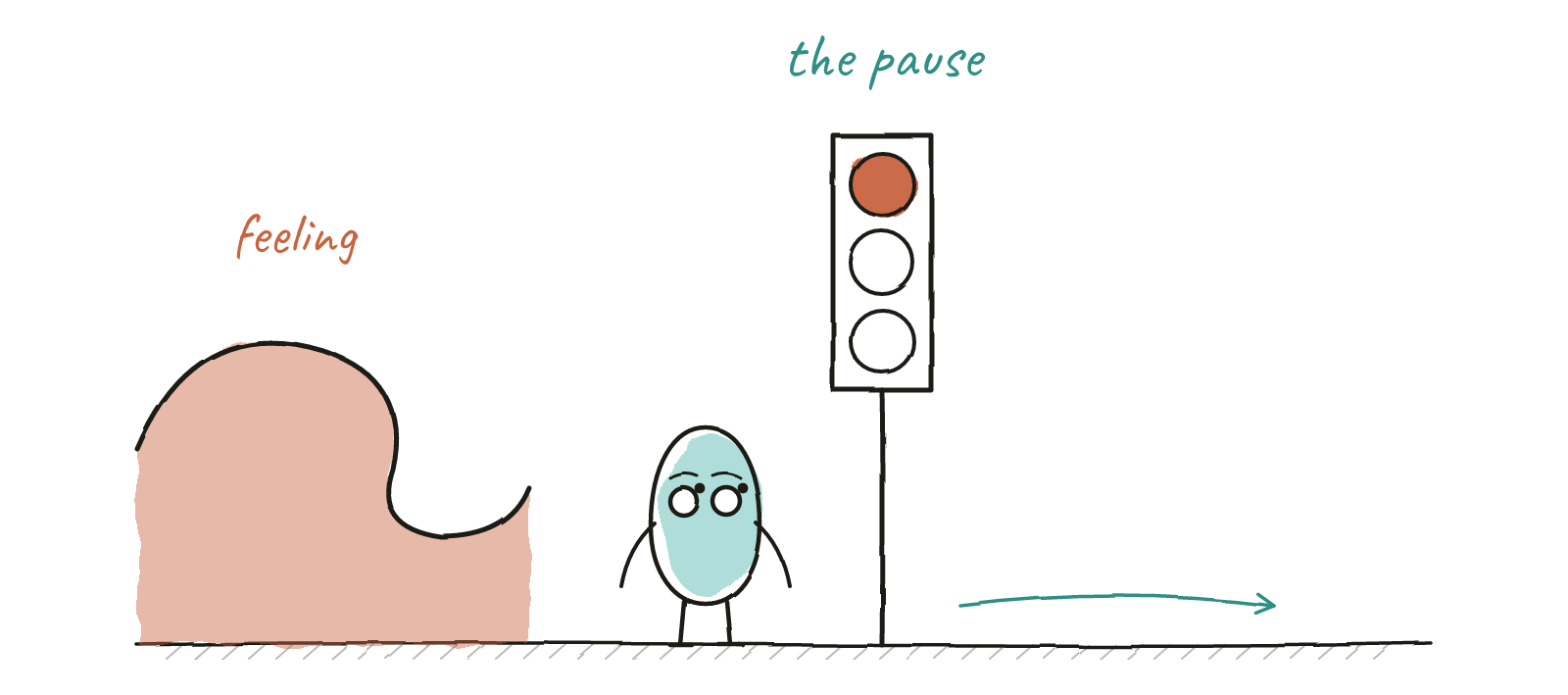
None of this means pretending the feeling is not there. You accept it, and then you decide what to do with it. Anger is a normal feeling. The aim is to use that energy to fix the problem.
This matters even more if other people look to you. A team watches its leader to learn what behavior is OK. If you cannot control your temper, you are quietly telling them they do not need to control theirs.
Some quick tools help in the moment: breathe, count from one to ten, sleep on it, talk to someone you trust, or step outside and take a short walk. Jobs, on that stage, did the simplest of them. He paused and took a breath.
Stress and moods make choices for you
When you are stressed and overwhelmed, it gets much harder to think clearly. Part of the reason is your body's alarm system, the fight-or-flight response, which gets you ready to fight or run. It is brilliant if a bear is chasing you. It is no help at all when you are answering a pile of emails. Too much caffeine can keep that alarm switched on all day, so your feelings start running your actions.
Sleep matters for the same reason. When you are short of sleep, your self-control, memory and attention all drop. Sleep gives your brain time to recharge and sort through the day.
Moods can steer you too, in both directions.
A low mood can feel like a dark veil over everything. Suddenly you hate your job, your home and the people around you, even though part of you knows that is not true. The best move is usually to wait it out and put off big, life-changing decisions until it lifts.
A great mood can trick you as well. A good salesperson knows this. They get you excited, and in that glow you pay more than the thing is worth. Be as careful of your good moods as of your bad ones.
Your triggers have a history
A trigger is anything that sets off a strong feeling and pushes you to act in a certain way. It might be a manager who seems to drain everyone's energy. It might be colleagues laughing loudly on the phone while you are trying to concentrate.
Many people respond to triggers by shutting down and keeping it all inside. That rarely works. Your body tends to show what you are holding in, and someone paying attention will notice.
Start by listing your triggers. When you know what sets you off, the feeling stops surprising you. Surprise is a big part of what makes a feeling hard to handle.
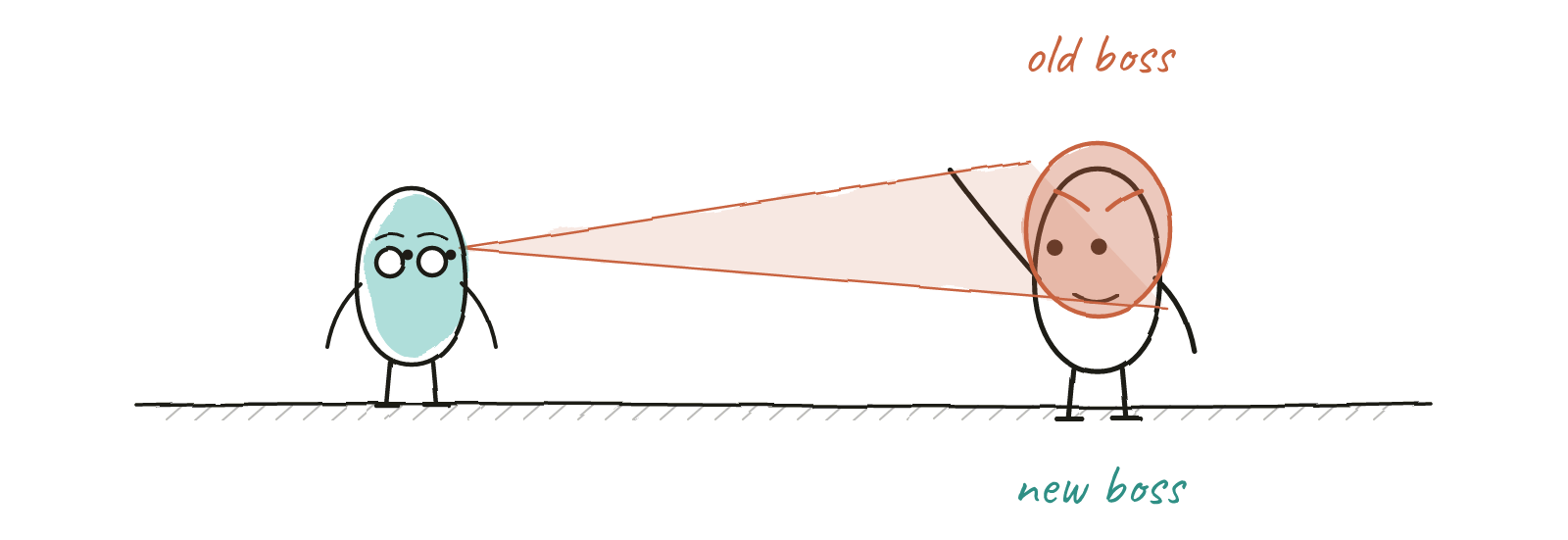
Then dig for the reason. Why does noise bother you so much? Maybe you work best with written words and struggle with constant talk. Why does this manager get under your skin? Maybe they remind you of a manager who once bullied you. Once you see that you are really reacting to that old manager, you can often get along much better with the new one.
Your past patterns help here too. When a strong feeling hits, think back to the last time you felt the same way. What happened before, during and after? How did you handle it, and how did it turn out? Keeping a short journal of your reactions makes these patterns much easier to see.
Other people can see what you cannot
You know the parts of yourself you show the world, and the parts you keep private. There is also a third part: a blind spot that you cannot see, but other people can.
Picture the boss in charge of a company's technology, brilliant at the work and bad with people. They treat some people better than others, tell people what to do and do not listen. When someone raises it, they deny it and blame others, or turn it back on the person who spoke up. They are not hiding their behavior. They simply cannot see it.
You cannot fully judge yourself, so ask for help. Pick someone you trust, such as a partner, parent or close friend, and ask them how you come across. Then do the hard part. Listen more than you talk, do not get defensive, and let them be honest.
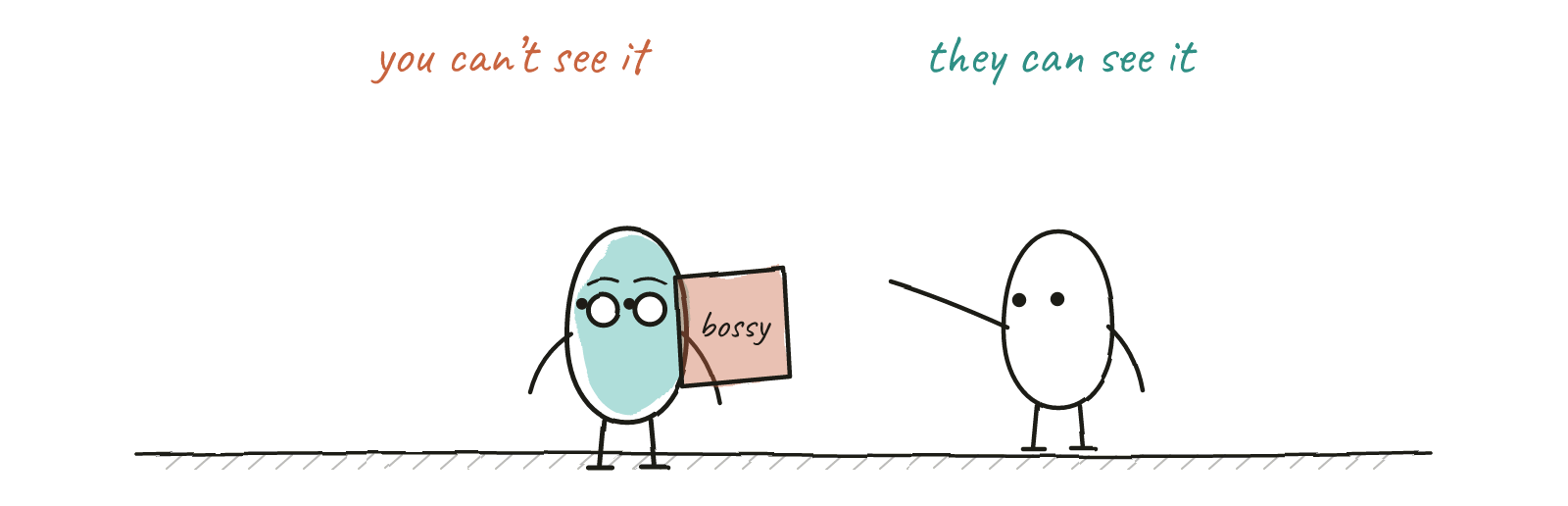
A good question to ask: what effect do I have on people? When you walk into a room, do people open up, or do they go quiet and wrap up the conversation? Do the people close to you seem relaxed around you, or nervous? Your tone of voice and the way you listen are good places to start.
To read someone, first go quiet
The first step to reading someone else is to stop. Stop talking. Stop the voice in your head that keeps talking. Stop guessing their answer before they have finished, and stop building your reply while they speak. You cannot catch small signals while you are trapped in your own thoughts.
Then pay attention with everything you have. Put down the email, the phone and the other task. Multitasking feels efficient, but it makes you miss the small shifts in someone's mood.
Listen to more than the words. Notice the tone, the speed and the pauses. Watch the face and the body too. Is the smile forced or real? Is the posture upright or slumped? Are the hands fidgeting? When words and body disagree, most people believe the body.
Someone who says "I'm fine" with a scowl is not telling you the whole story. It works the other way too: if you want people to read you, be honest about your own feelings. Say when you are upset or disappointed. Share it when you are happy. Just keep enough control that your honesty does not hurt anyone.
Empathy comes in three kinds
Empathy is the ability to understand what another person feels and thinks, as if you stood in their shoes. It comes in three kinds, and each has a weak spot.
Cognitive empathy means understanding what someone is feeling and thinking. It works with the mind, a little like a doctor working out what is wrong with a patient. It helps when you need to make a deal, and in seeing other points of view. But understanding sadness is not the same as feeling it, so on its own it can seem cold.
Emotional empathy means feeling along with someone, as if their emotion were catching. When someone you love comes to you in tears, you feel the pull. This builds closeness. Its weak spot is that it can overwhelm you. Feel too much of other people's pain, and even small conversations become exhausting.
Compassionate empathy sits between the two. You understand what the person is going through, you feel it with them, and you are moved to help. Then you think about what they actually need. Do they want to be held? Do they want help fixing the problem? Or do they just want someone to listen?
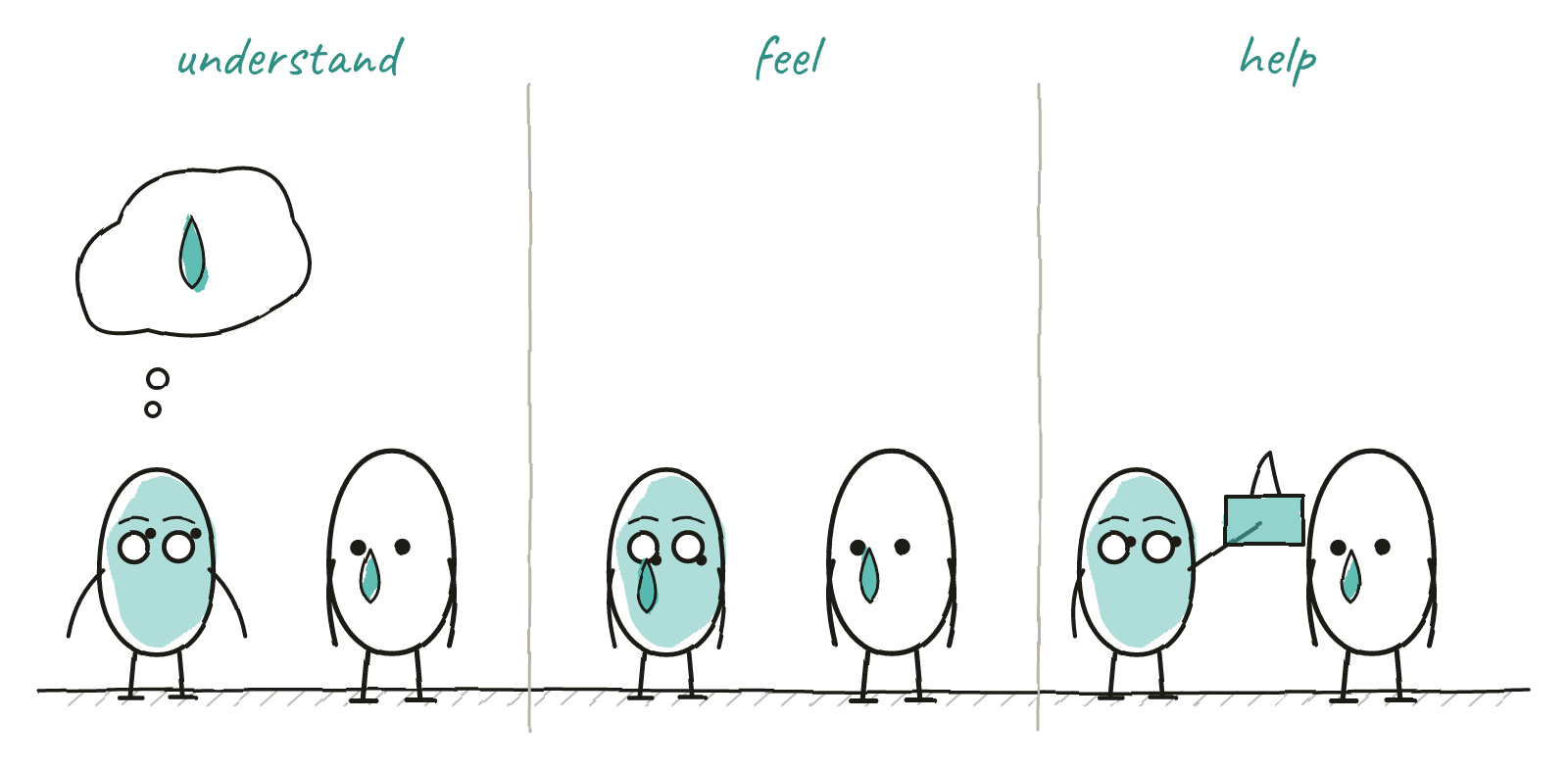
Empathy is a balancing act. Go too deep into someone else's feelings and you can lose your own footing. Stay too far out and you can seem cold. Finding the middle takes practice.
Conflict can bring you closer
In any close relationship, disagreements are certain. You cannot have your needs and opinions met every time, and that is not a disaster. Handled calmly and fairly, conflict can strengthen trust between you.
So treat a problem as a chance to meet in the middle, not as a threat. Brainstorm together instead of blaming each other for feelings.
Accept the whole range of feelings, too. Loving someone does not mean you will never feel angry, let down, jealous or hurt. In many relationships, those feelings do less damage than the blame and shame around them.
Keep laughing together. Laughter relieves stress and helps you put up with each other's flaws and stumbles, just as you put up with your own.
When something needs to change, say it in terms of how you feel and what you need. Pick a calm moment when neither of you is rushing. If your partner gets defensive, say their worry back to them and listen. Keep going until you are both sure you have heard each other.
There is also a quiet test of whether a relationship is good for you: how you feel the rest of the time. Does it give you more energy and a clearer head? Are you kinder to the people around you than before? Or do you feel restless, irritable or drained? Your body often notices before your mind admits it.
The same skill can be used against you
Emotional intelligence is mostly a good thing. It also has a dark side.
Someone who can read and control feelings can also hide their own and play on yours. They can see what you feel and pull at it, until you act against your own interests. Picture a leader who stirs up fear to keep people in line or to win their votes.
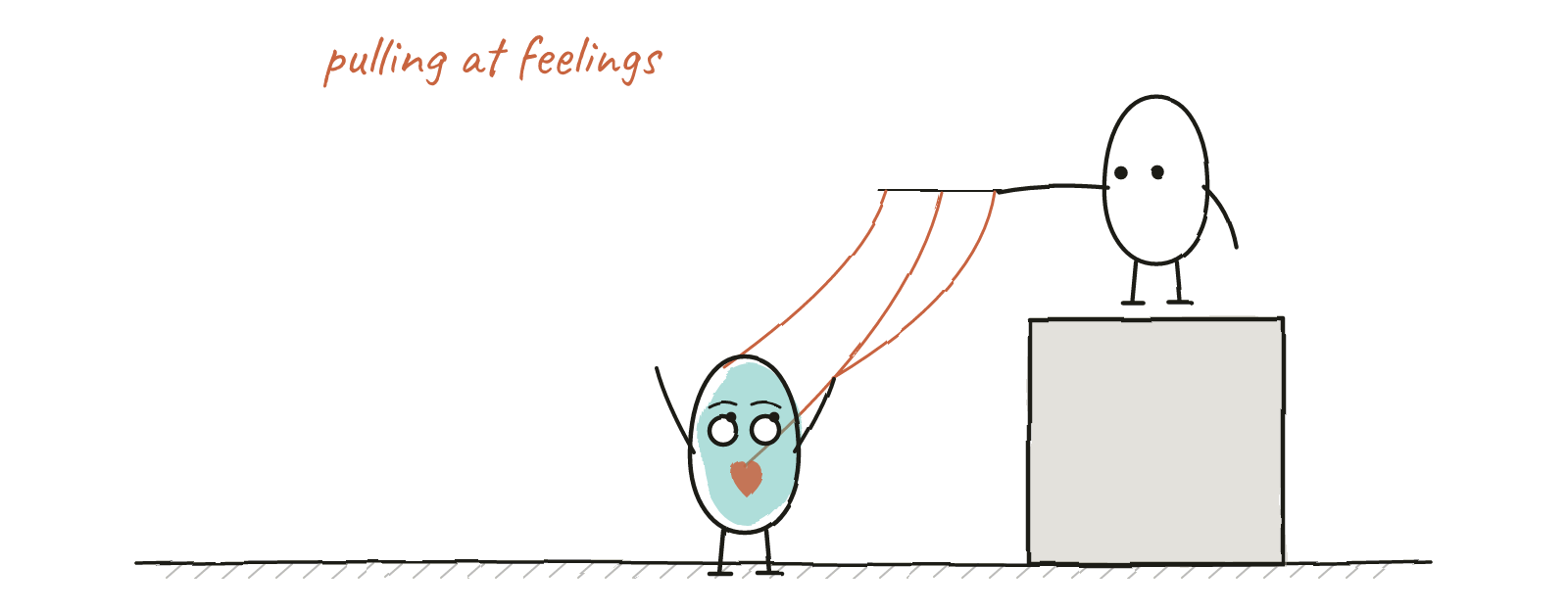
This is not a reason to distrust emotional intelligence. It is a reason to build your own. The better you know your feelings, the sooner you notice when someone is pulling at them to cloud your judgment.
The same is true of social skills in general. Changing how other people feel can sound like tricking them, but much of it is ordinary. When you smile at someone, they often smile back and feel a little better. The difference lies in whether you are helping someone feel better or steering them against themselves.
When you are drained, notice the signs
Sometimes life wears you down so far that you have nothing left. Being emotionally drained has signs you can learn to spot:
- Hopelessness: you start asking why you bother, because nothing seems to get better. This is a dangerous point, and a sign to get help.
- Crying easily: even small things, like a sad film, bring tears.
- Trouble sleeping: you lie awake fighting the thoughts in your head.
- No motivation: you stop caring about goals, and let work, health and family slide.
- Detachment: you go numb and pull away from the people around you.
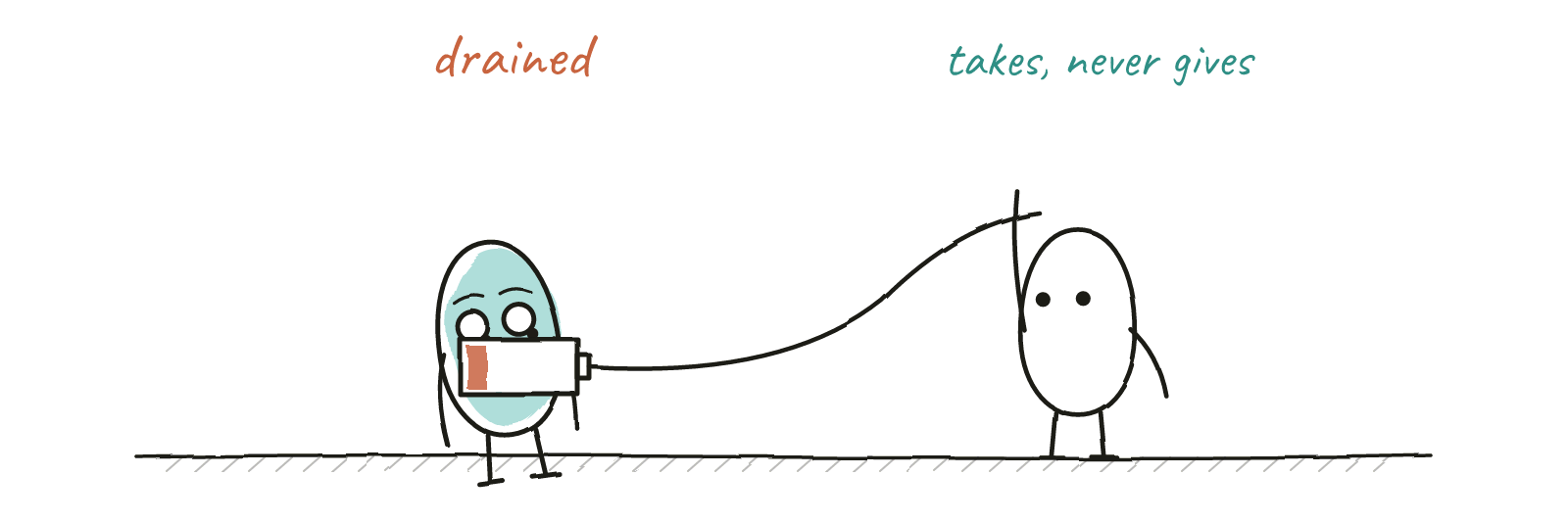
Look for the source, too. Sometimes it is a person. You think about them all the time. You feel exhausted after seeing them and relieved when they leave. They demand a lot, never lift you up, and leave you more frustrated than before.
A few things help. Exercise can lower the chemicals your body makes under stress and lift your mood, even though it is the last thing you feel like doing. Slow, deep breathing calms the body. Meditation can lower your heart rate and blood pressure. Writing down your thoughts and fears in a journal helps you understand them and let them go.
None of this replaces real help. If stress is getting out of hand, a professional therapist can give you tools to cope. Emotional intelligence can support recovery, but it is not a substitute for therapy or medical care.
It grows the way any habit grows
Emotional intelligence is not fixed. Every time you practise a new way of responding, that response becomes a little more automatic. In time, the old reactions fade, and the new ones become the way you simply are.
It is also a lifelong project. You will not finish it, and you do not need to. You need to get a little better, one feeling and one pause at a time.
Celebrate the wins along the way, big and small, and do not ignore the hard feelings either. Look at them honestly, so you understand where they come from.
And when everything is pulling at you at once, start where Jobs started on that stage. Stop. Breathe. Then choose.
Get the next one on Sunday.
A free weekly LongForm, in your inbox.