A LongForm
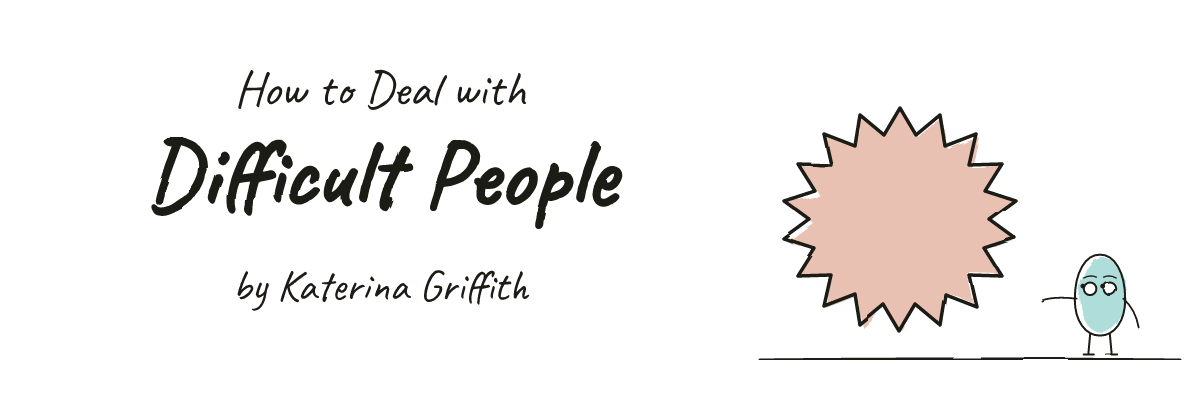
How to Deal with Difficult People by Katerina Griffith
Telling someone they have a bad attitude feels honest, and changes almost nothing. With a difficult person, what works is plainer: describe what they do, repeat back what they say, and decide which fights are worth having.
November 1, 2026
Say you manage Mary, and you think she has a bad attitude. The obvious move is to tell her exactly that.
It is also the move most likely to fail. All Mary hears is that something is wrong with her character, so she gets defensive. And she still has no idea what you want her to do differently. What does a good attitude even look like?
Katerina Griffith met the same problem running a company of more than 200 people, and at home, with a teenage daughter who was sure she knew everything. Steering around one or two difficult people is possible. But there is always a third, a fifth, a tenth. Here, from How to Deal with Difficult People, is what works instead of running away.
By the end, you will discover:
- how to give feedback a difficult person can actually act on, and why to listen first (1)
- why "I understand" makes an upset person angrier, and what to say instead (2)
- why you cannot escape difficult people, and how to choose which battles to fight (3)
- what often sits behind difficult behavior, and the right move for perfectionists, control freaks, complainers and the hostile (4, 5, 6)
- how to speak up without starting a war, and how to follow through when nothing changes (7, 8)
- what to do when nothing works, and how to tell if the difficult person is you (9, 10, 11)
Describe what they do, not who they are
Go back to Mary. Telling her she has a bad attitude attacks her character and gives her nothing to work with.
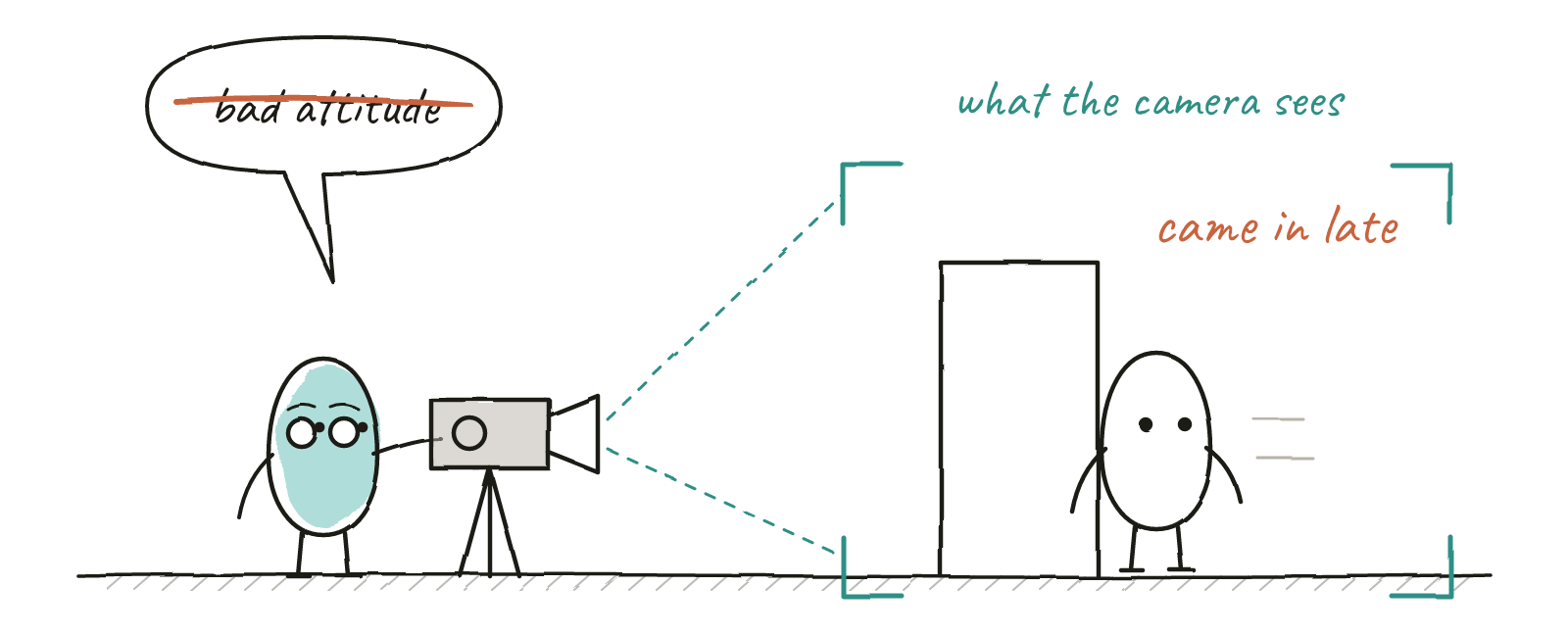
Instead, do a camera check. Imagine a video of Mary doing the thing you call a bad attitude. What does the camera actually see? Maybe she comes to work late. Maybe she turns in her work late. Maybe she says negative things about her colleagues.
Those are what you tell her. "Hey Mary, I notice that you have been turning in your assignments late, coming to work late this month, and saying negative things about your colleagues." A camera cannot film an attitude. It can film behavior.
A comment about someone's character makes them defend who they are. A comment about what they did tells them exactly what to change.
Before you say any of it, listen. Ask for a time to talk about the project, and when you meet, ask her what has been working well and what has not. Let her talk without interrupting. Often she will name part of the problem herself, and you can pick it up from there. Even if she thinks nothing is wrong, hearing her side first makes the talk calmer, and she listens better when it is your turn.
Most people avoid this talk altogether. Asked for the hardest part of their job, thousands of managers gave almost the same answer: telling someone what they are doing wrong so they can fix it. People fear the other person will explode, break down or blame them. So they tell themselves it will go away. But some people cannot know they are being difficult unless someone tells them. They need you to be their eyes.
Repeat their words back, because "I understand" makes it worse
When someone is upset, the natural thing to say is "I understand." It rarely helps. Think of the last time you were upset and someone said it. Did you feel better?
Picture a client who has been loyal for years. Their budget has been cut, and you will not give them a discount. Tell them "I understand" and the talk is probably headed for a bad ending. What they need is to feel that you get where they are coming from, and a phrase everyone says out of habit does not show that.
Show it instead. Say back what they told you, in their terms: so, if you get them right, your prices have become a barrier to their business, because their budget is tight and you are not giving them a discount. Then ask if that is right. If it is, move on. If not, ask for more.
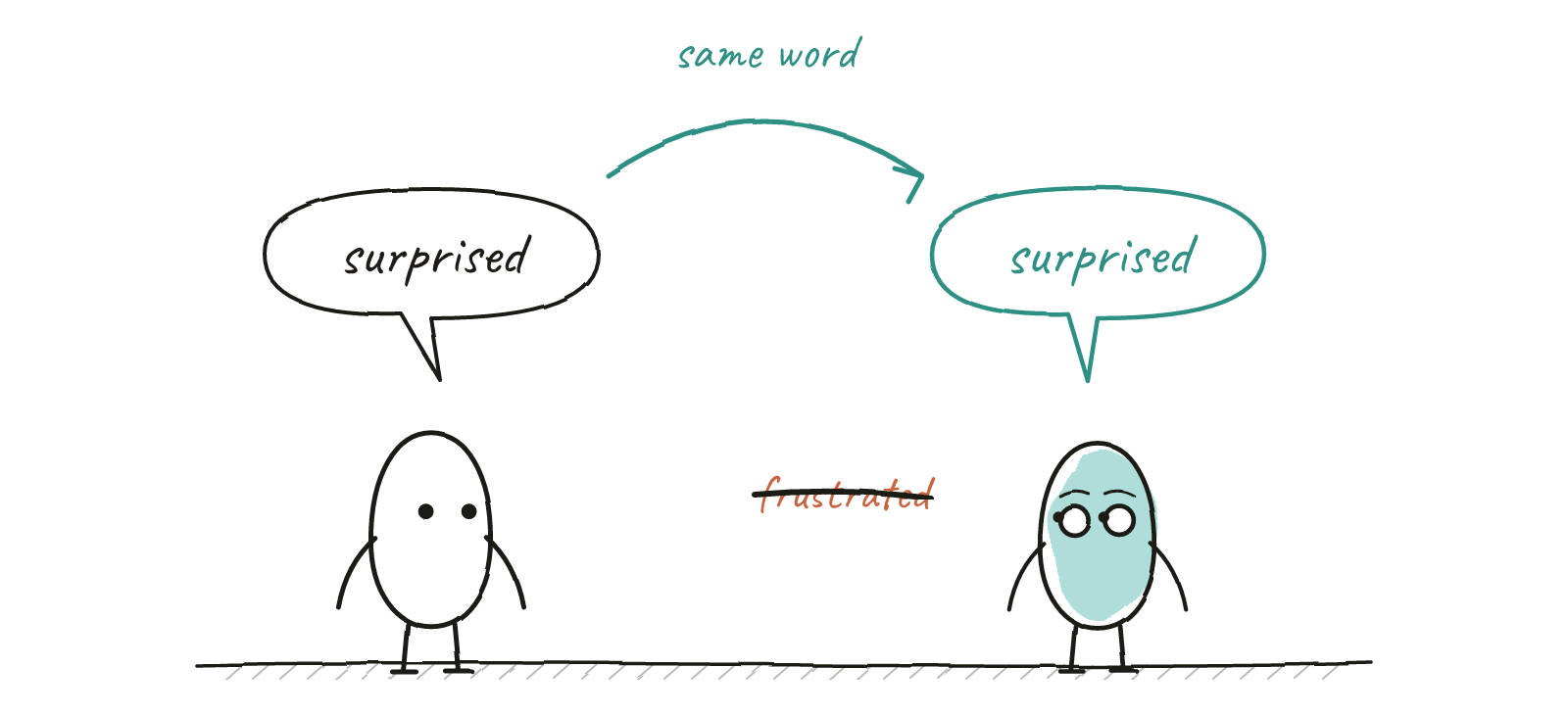
The exact words matter. Say a customer tells you the product they bought stopped working after a few days, and they are surprised and disappointed. Answer "I understand that you are frustrated," and you have just handed them a new word. They were surprised and disappointed. Now you have told them they are frustrated, and that can push them to anger. Use their own words: "that is certainly surprising and disappointing. Let me take a look to know why the product stopped working unexpectedly." You show you heard them without making the feeling bigger.
Then thank them for raising it. A plain thank you for their time and their honesty does a lot to calm a tense talk.
When someone keeps resisting, find out why before you push. They may have been let down before, by a company that never delivered what it promised, and now they see you the same way. So ask why they doubt you. "I really would like to understand why you are a little skeptical about this. Would you tell me more?" "Is there anything we can do to relieve your fears?"
Two limits apply. Do not promise what you may not be able to deliver. And if someone becomes abusive, rude or aggressive, you do not have to put up with it. Bring in someone else who can help resolve it.
You cannot escape them, so choose your battles
There is an old saying: you cannot stop a bird from flying over your head, but you can stop it from building a nest there. Another person's behavior is outside your control. Your reaction is inside it.
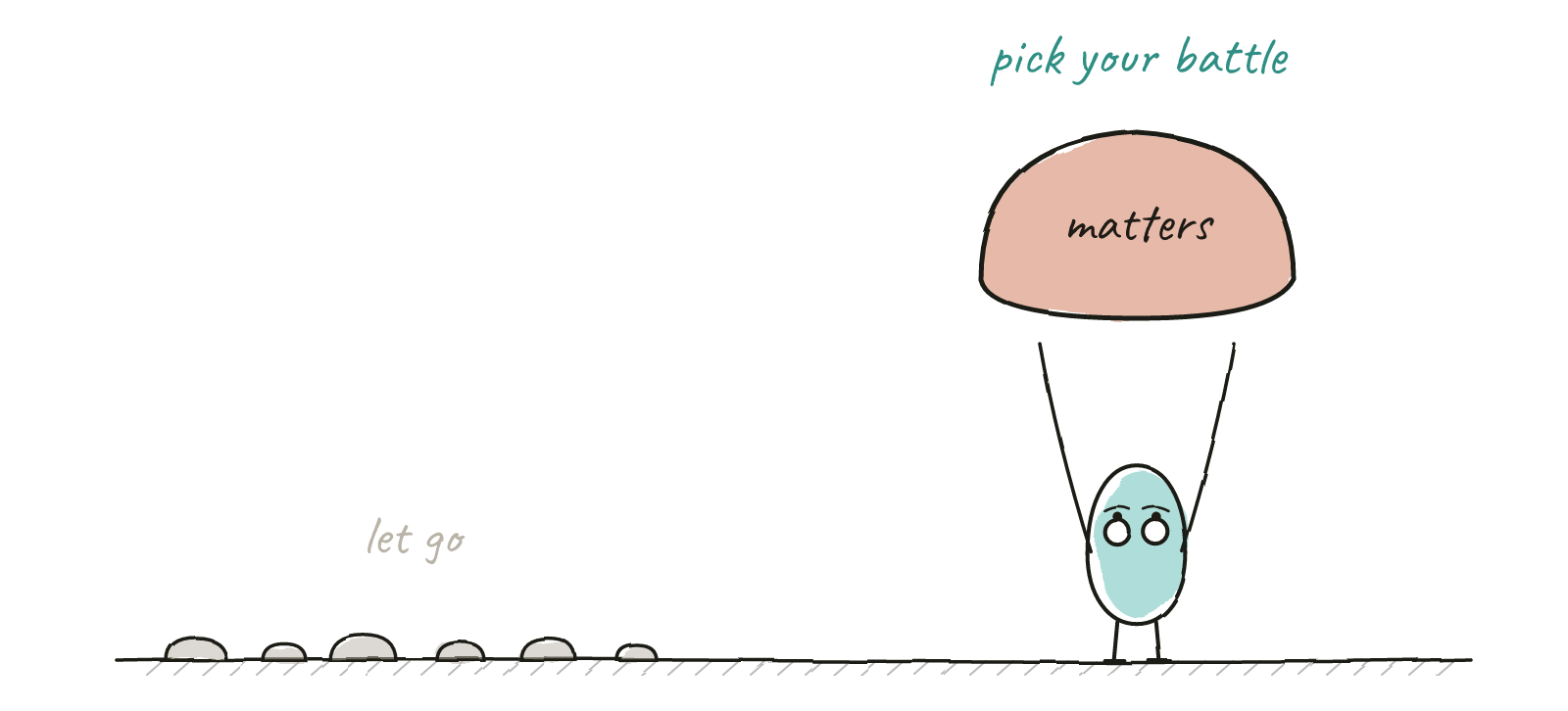
So the first question is not how to win. It is whether to fight at all. Not every fight is worth having. Ask whether the issue is so serious that you must deal with it right now, and whether fighting it could actually get you anywhere. If it is about how the office should be cleaned, ask yourself whether it is worth the fight.
Who the person is matters too. If it is your boss or someone in authority, the sooner you accept what you cannot change, the happier you will be. If it is family, you are choosing between two costs: the time and grief of a fight, or letting the bad behavior carry on. If the timing is wrong, make a plan, get help or wait.
When you do decide to speak, pause first. Take a deep breath and let your thoughts settle. If the fight is happening by text or email, do not send anything that adds fuel. Let your stress come down before you reply. If you can, talk somewhere neutral, even on a walk, so the talk is less of a face-off.
Behind most difficult behavior is a fear
It is easy to think difficult people simply enjoy being difficult. Some do. Others have no idea of the damage they cause. And many are protecting themselves from something.
Take the perfectionist. Perfectionism is not just wanting things to be perfect. It means feeling good about yourself only when the world around you approves, so every criticism feels like proof you are a failure. Many perfectionists criticize others to hide their own insecurity, a quiet fear of not being good enough. Perfectionism costs time, too: in the early days of the same company, one piece of writing took at least twelve hours, and sleepless nights, before it seemed good enough to publish.
Take the control freak. Control freaks are often insecure. They are afraid of new situations, and they keep a tight grip on everything familiar so their fears stay in check.
Take the super-agreeable person who says yes to everything, then backs out when things go wrong. They want approval. Some people learned early that the way to be loved is to pretend.
Many difficult people do not even notice. To them it is just how life is. In fact, to a difficult person, everyone else is the difficult one.
What counts as difficult also depends on you. What drives one person mad may not bother another. So know your own triggers. One mix tends to be hardest to live with: someone who is very emotional and also unwilling to get along. Such a person tends to make their problems your problems too.
None of this excuses bad behavior. It changes your move. When you see the fear, you can deal with the fear.
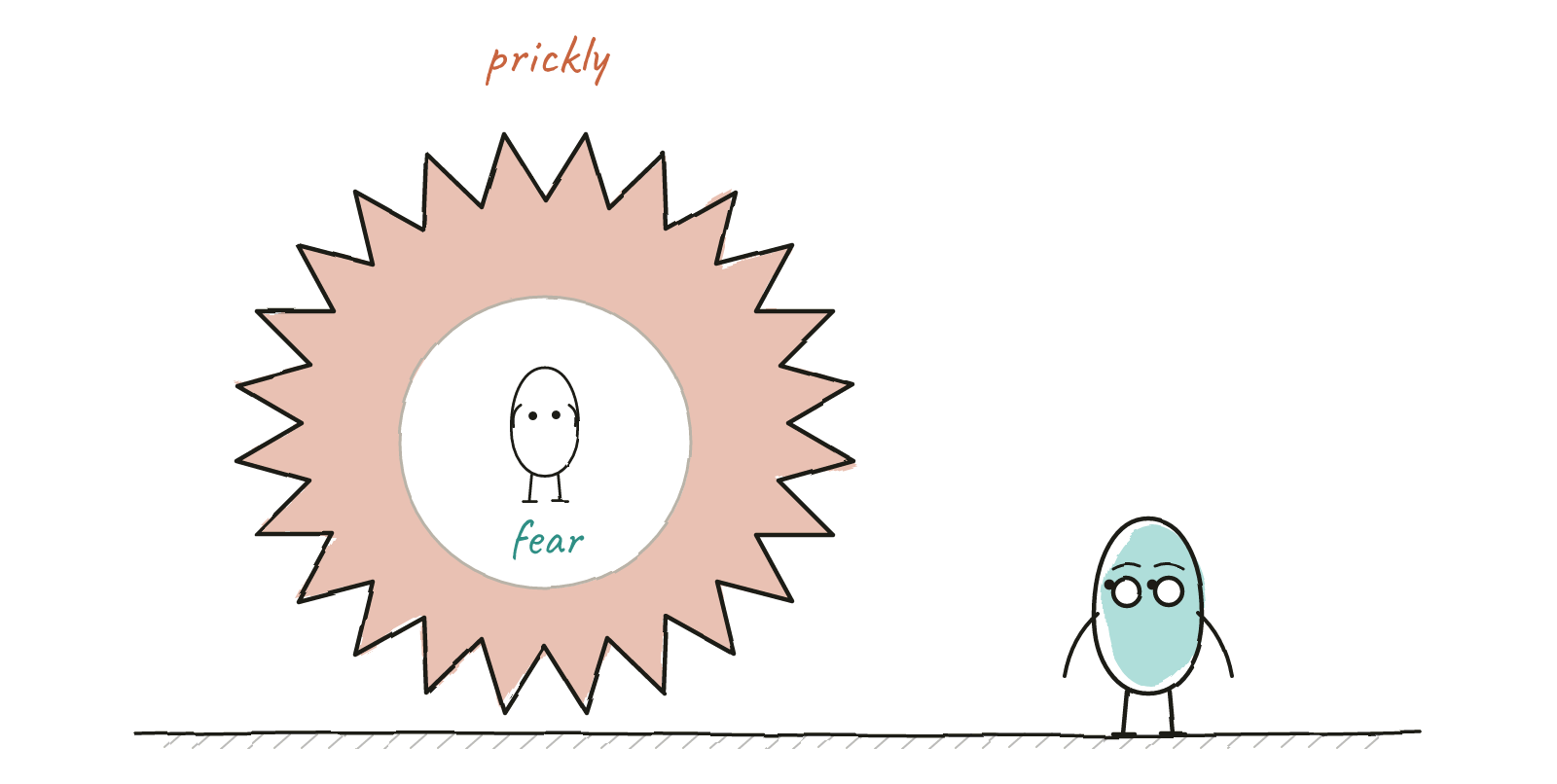
Perfectionists and control freaks need security, not a fight
With a perfectionist colleague, ask what they would like done differently. Their criticism is often a defense. A question such as "I see that you are upset about the outcome of this project. Would you like a chance to talk about it?" can calm the insecurity behind it.
When you disagree on something that matters, say so once and move on. "I understand where you are coming from. I just think that our perspectives are quite different on this one." If they start an argument, walk away. If they keep going on about small details, do not take a side: "Huh, I didn't know you felt that way."
With a perfectionist boss, ask what they expect, then give them the information they want before they ask for it. Accept that someone below the boss has little power over how the boss is. Their standards are out of reach, so do not look to them for support or guidance. Find it somewhere else. If it never gets better, plan your exit early, ideally leaving with their recommendation.
With a control freak, give them a clear area of their own. Many cling to control because they fear losing their place. Involve them when roles are handed out, and let them run their own projects. When their role is clearly valued, they tend to ease off.
Ask why. If they insist that some lights be put up in one exact way, ask why it cannot be done differently. There may be a real reason, such as a fear of heights. Or there may be none. The same goes for how things sit on a desk: if it is their own desk, let them have their way; if it is not, they cannot force it on you.
Give a little where it costs you nothing, and reassure them. Notice what they do well and say so. Stand your ground only on what matters. If you cannot meet in the middle, go to your manager. Explain that your aim is a better place to work, not a complaint, and bring some ideas to fix it.
Complainers, gossips, bullies and the hostile each need a different move
The chronic complainer, who complains all the time, finds fault with everything and blames you, but never helps fix it. Listen to all of it, then ask questions to make it clear, even if the blame is unfair. Do not complain back, apologize or get defensive. If you do, they will repeat it, louder. Get the complaints in writing, and bring them into finding the answer. Steer them from what is wrong to what should be done.
The gossip always knows the news, true or not. Do not share information with them or anyone close to them. Stay polite. When they pry, step back from the talk and change the subject.
The pessimist dismisses every idea without offering another. Stay positive, and ask them for their own ideas. Expect to carry much of the work.
The hostile person needs you to be firm and careful with your words. Do not hit back hard: hostility tends to breed more hostility. Avoid moments that stir up strong feelings. Help them get what they need. Point out what you both want, so a calm way through looks possible.
The bully treats others as weak and tries to turn people against someone. Do not let them push you around, but do not turn aggressive either. If they bring that behavior into your home or your workplace, ask them to leave.
Say it with "I", and keep it short
Difficult people may twist your words. Make that harder by talking about yourself, not about them. "You" sounds like an accusation.
Say you have been late all week because your subway line is under construction, and your boss is angry. Compare two answers. One: "Unfortunately, our subway line is under construction, hence the constant delays at the station. My apologies for making you wait every morning this week." You were late, so a short apology fits. The other: "You are such an unreasonable person for expecting me to get to work on time when the subway is under construction." The first keeps the respect. The second starts a war.
A useful shape is the sandwich. Open with something positive that shows you value the relationship, then say the hard part, then close warmly, for example by thanking them for listening.
Whatever they do, do not sink to their level. The calmer you stay, the more likely they are to calm down too.
Keep it short and stick to the facts. Say what happened, and do not try to explain yourself or win the argument. Steer clear of known triggers. If you always fight with your brothers about holidays, do not raise holidays; let someone neutral handle it.
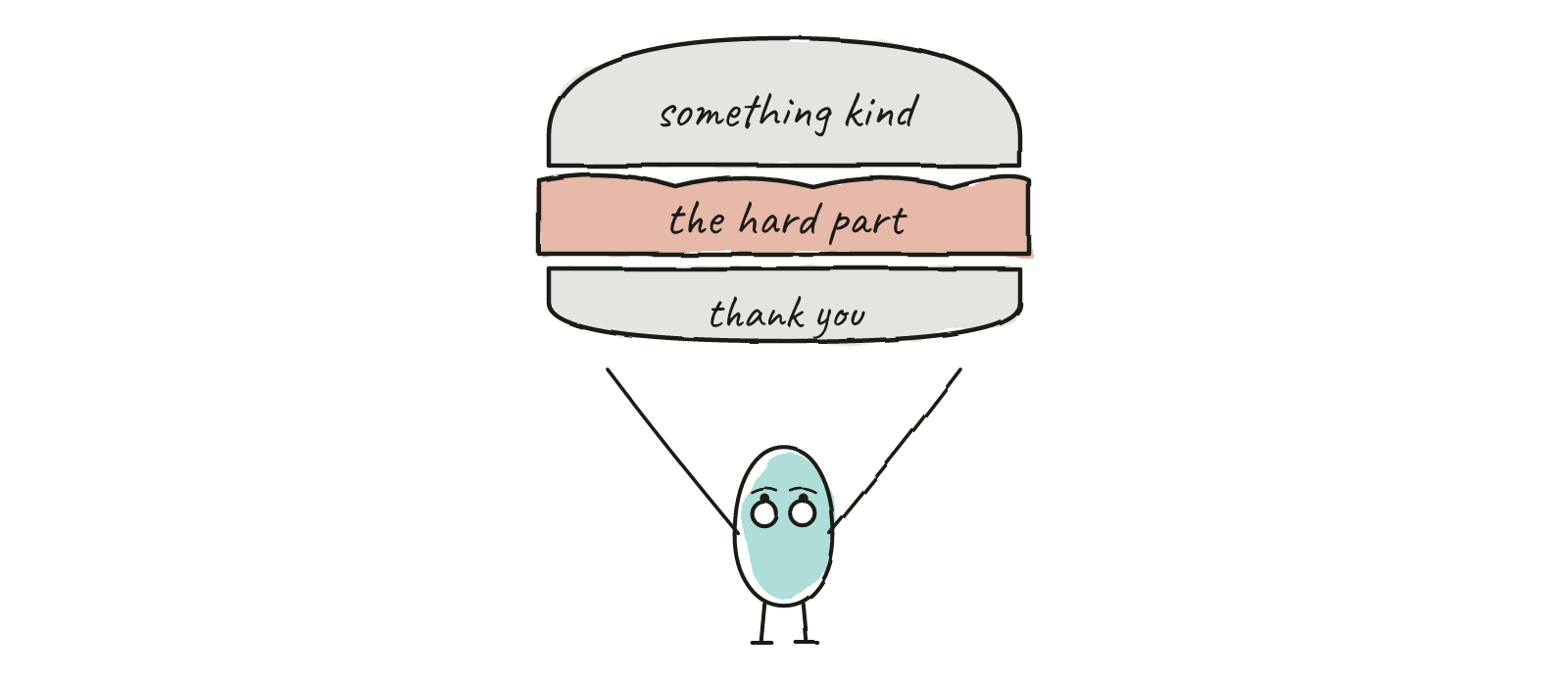
When nothing changes, write it down and follow through
Feedback only works if you back it up.
Keep records. When the problem is serious, write down the key points: what they do, good and bad. Managers in top jobs have admitted they could not fire a difficult employee because there was no record of the behavior. Writing things down is not being negative. It is being careful.
Be consistent. If something is not acceptable, it cannot suddenly become fine. If you say reports are due by Friday at midnight, but only sometimes mind when they are late, nobody will take the deadline seriously. Set standards you are willing to keep, then keep them.
Name a consequence. If nothing improves, give a date. Say what will happen if the behavior has not changed by then, such as a formal warning or losing a chance at promotion. If difficult people do not believe their actions have real consequences, why would they change?
Do not trash them to others. Complaining about them to everyone spreads twisted stories, builds distrust and makes you look weak and unprofessional. Follow the steps instead.
Talk to yourself fairly. "Mary will never change" is not helpful. Neither is "I am certain that things will turn out to be fine." Try something true: her behavior is causing problems. I will help her change and watch closely. If she does not change, I will do what I said I would.
Respect and kindness work better than force
Nobody is difficult for no reason. Someone once hired this difficult coworker because their skills fit the job. If they no longer fit, ask what changed. Has the job changed? Is their home life hard? Is someone at work wearing them down? An honest, open talk about their struggles can help.
Trust them first. Someone who does not trust you will fight you at every step. Keep every promise you make. When they work hard to improve, recognize it, even in front of the team.
When you want to hit back, try kindness. When two people are both hard on each other, the whole thing grows until nothing gets done. Kindness tends to calm it. So does looking for something you share, like children at the same school. People like belonging, and a shared detail makes a link.
Make big problems small. If an employee never finishes their work on time because they cannot get started with new software, do not call them lazy. Ask them to help you break the steps into small pieces, and build a simple routine together.
And remember that anger is natural. When someone is furious, take their frustration seriously, not personally, and tell them you will think it through and come back with a way forward. While they are still furious, they will probably reject any answer, even a good one, so give them time to calm down first.
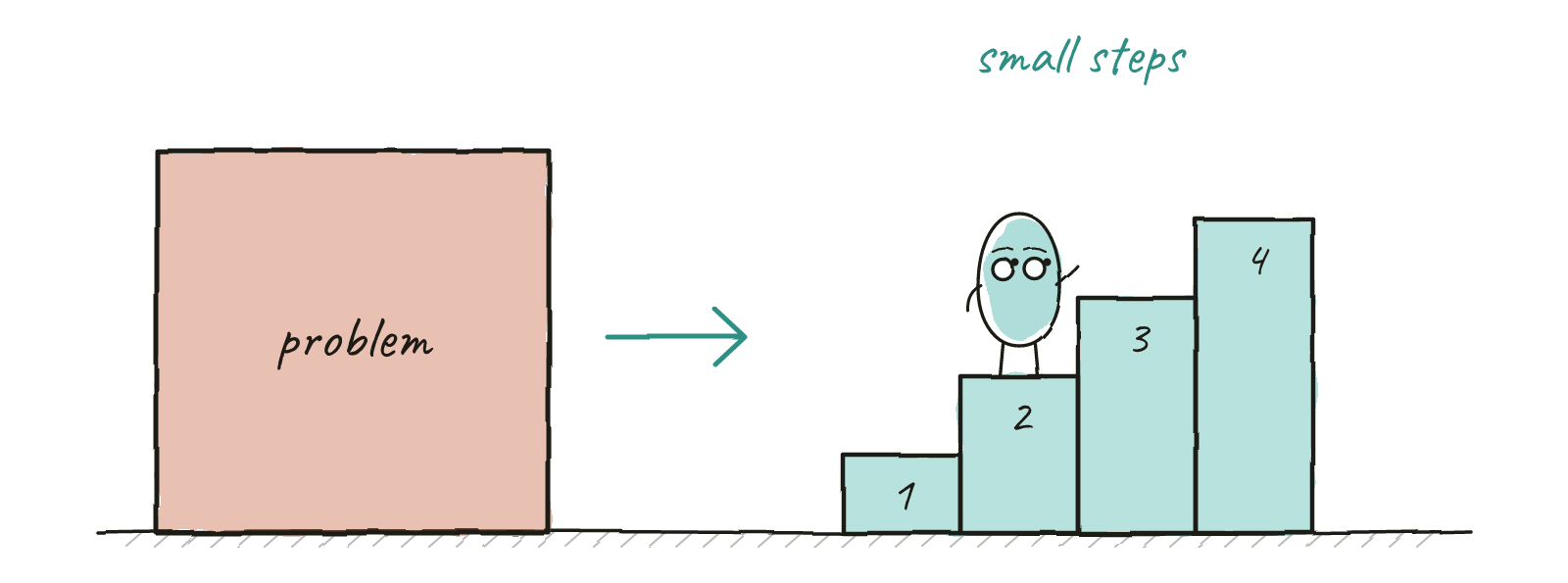
When nothing works, control what you can
Sometimes you have tried everything, and nothing changes.
Look for what is still in your control. A business owner once needed help from the sales department for a new project and was told to go through one particular person. Emails and voicemails got no answer. So the owner asked others in the department instead, and many were glad to help. The difficult person was simply worked around.
Keep contact short. You can leave a talk, or bring in a third person. Accept that this person may never be the colleague, neighbor or sibling you wanted, and that is okay.
Find allies. Someone neutral, like a boss or a family member both sides trust, may help you sort it out. Share your complaints only with people you trust.
If they keep poking just to get a reaction, stop giving one. Reacting tells them they won. If it is blocking your work, take it to someone above you. Save this for last. If you do it often, your bosses may think you cannot handle small problems.
But do not confuse ignoring with giving in. If you never stand up to a difficult person, you give them the power to walk all over you. Everyone deserves to be treated with respect. When someone treats you worse than that, face it calmly. Conflict is not always bad, especially when it settles the problem. Sometimes the best ending is to agree to disagree.
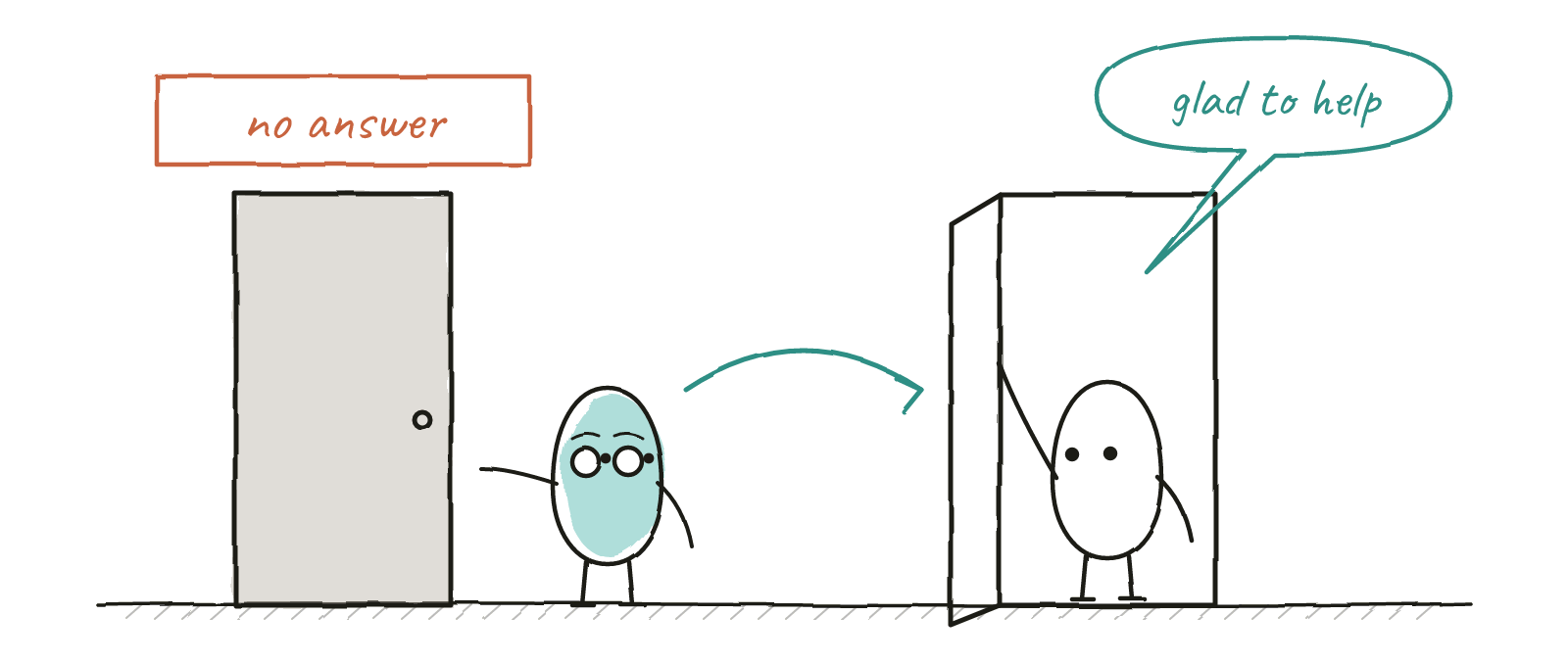
Maybe the difficult one is you
A fight needs two people. Before you decide the other person is the whole problem, look at yourself.
Ask: what is my reaction to this person? How do they respond to my reactions? Am I feeding a cycle? Is it possible that I am the one driving someone else crazy? Even on a busy day, a distracted, short answer can make an already irritated person snap.
There are signs worth checking. You have few close connections at home or at work. You often feel misunderstood, or find yourself complaining about this or that. You always think people are talking badly about you. You feel people do not care about you or remember you.
If those sound familiar, the same steps apply to you. And if they describe someone near you, you can help them see what they are doing, so they can change too.
A little honest looking at yourself goes a long way toward being easier to work and live with.
Get the next one on Sunday.
A free weekly LongForm, in your inbox.