A LongForm
Dark Psychology and Manipulation by Jack Skinners
Most manipulation is not dramatic. It runs on a handful of ordinary moves, and most of them lose their grip once you can see them.
September 20, 2026
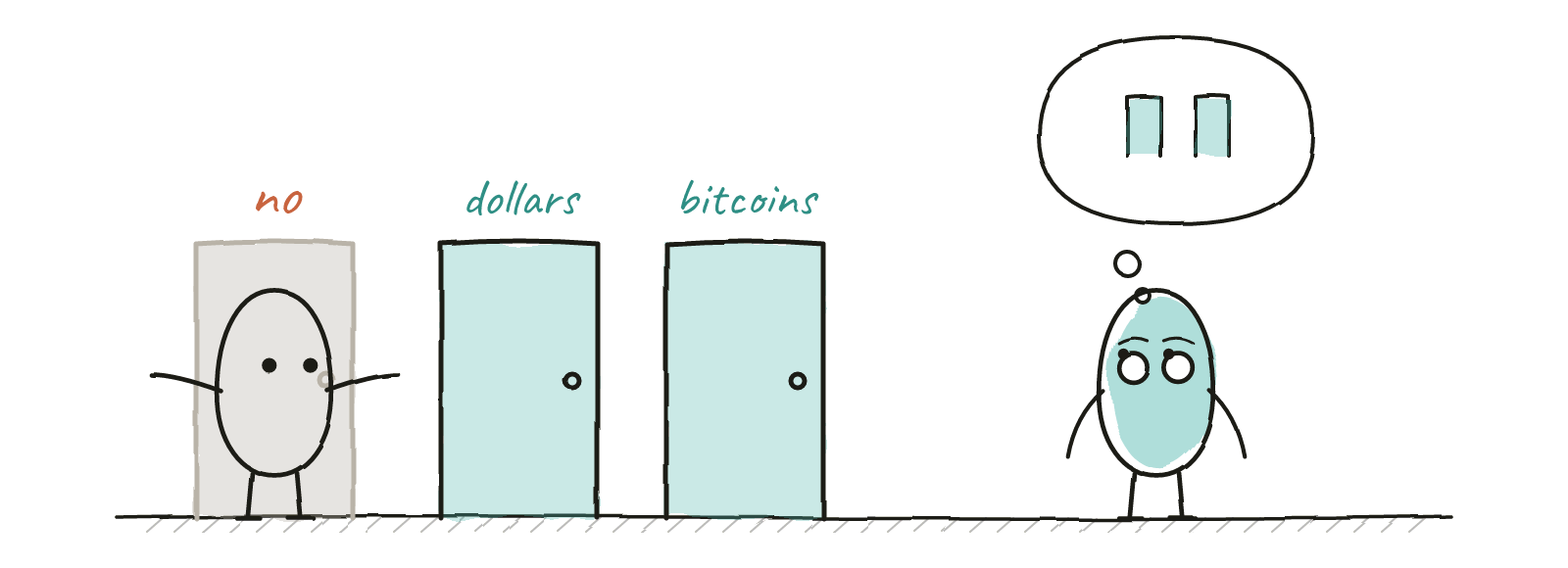
You are looking at something you might buy. The seller smiles and asks, "Will you pay in dollars or bitcoins?"
It sounds like an innocent question. You start to weigh it. Dollars are simpler, after all.
But stop for a second. You never said you would buy the thing. The question skipped that part. It treated your yes as already given and left you only a small choice inside it. And you went along, because your mind was busy with the small choice and not with the big one.
That is manipulation at its most ordinary. Nobody shouted. Nobody lied. One question moved you one step, and you did not feel it.
These moves come from Dark Psychology and Manipulation by Jack Skinners, a guide to the tactics people use to manipulate others for their own gain. Here you stand where the moves land, so you can see each one coming.
By the end, you will discover:
- how a question can make a choice for you before you notice (1)
- why the most dangerous manipulator is often the most charming person in the room (3)
- how a decoy, a rush or a small first yes can bend what you decide (4, 5)
- why a favor or a scare followed by relief can make you say yes (6, 7)
- why someone who copies your words and your posture can win your trust (8)
- how isolation, shame and love bombing turn manipulation into brainwashing (10)
- what to ask, say and do to stop a manipulator once you see the move (11, 12, 13)
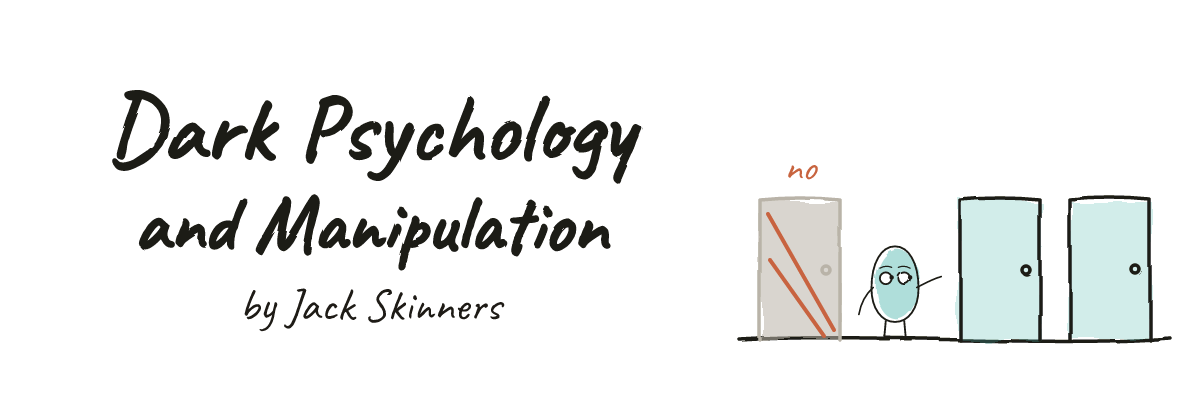
A good manipulator never gives you an order
An order is easy to refuse. You hear it, you see who gave it, and you can say no.
So a skilled manipulator never orders you. They lead you in a roundabout way. They comment, ask questions, ask your opinion, and get their way. They never tell you what to do. They let you arrive there, so you end up doing what they wanted, and it feels as if you chose it yourself.
The dollars or bitcoins question is one tool for this. It presents the thing they want as already settled. Your attention goes to the small question they left open, and the big one quietly closes behind you.
If the trick seems too obvious to work on you, look again at when it happens. By the time the question comes, the seller has already spent time adjusting to you and leading you. By then you are not thinking as calmly as you are right now, reading these lines.
A second tool hides the message inside a harmless story. The person tells you something neutral, a chat about their week or a story about a customer. Inside it sit the few words they really want in your head. They mark those words without saying so. Their voice leans on them: a little louder, a pause just before, a slower pace. A touch on your arm or your shoulder can land at the same moment.
You remember the story as small talk. The marked words stay with you.
Most manipulation looks like ordinary life
You probably think of manipulation as something that happens to other people. It is rare, it is dramatic, and you would spot it.
The truth is plainer. Manipulation is the ad that tries to convince you that you need something you do not need. It is the puppy eyes of a partner or a child who wants something from you. It is a passenger charming a flight attendant into an upgrade. You mostly miss it because you are not looking for it. Some of it is so quiet that you would miss it even if you looked.
Walk into a grocery store. Near the entrance there are often fresh cut flowers. You have probably never bought them. They are there mostly to set a mood. They make you think of fresh, ripe, pleasant things. The store wants you to carry that feeling to the fruit and vegetables, which earn it more than cans and frozen food.
Sound works the same way. In experiments, restaurant customers who heard music from one region were more likely to order wine from that country. When asked, they had no idea the music had steered them.
Words do it too. Ads lean on words like affordable, easy to use, safe and guaranteed to last. Politicians say "we" to pull you into their world and "us" to make you feel part of their team. You feel included, and so you feel important.
So where does fair influence end and manipulation begin? The Merriam-Webster dictionary gives one meaning of manipulation as "to control by unfair means in order to gain advantage." Persuasion, the fair kind of influence, and manipulation are the same act at the start: one person trying to change what another decides or does. The difference is the line. The persuader wants something too, but stops at a boundary. The manipulator serves only their own interest and will go to any length, even putting you in harm's way.
The line is thin, and from the inside it can be hard to see which side you are on.
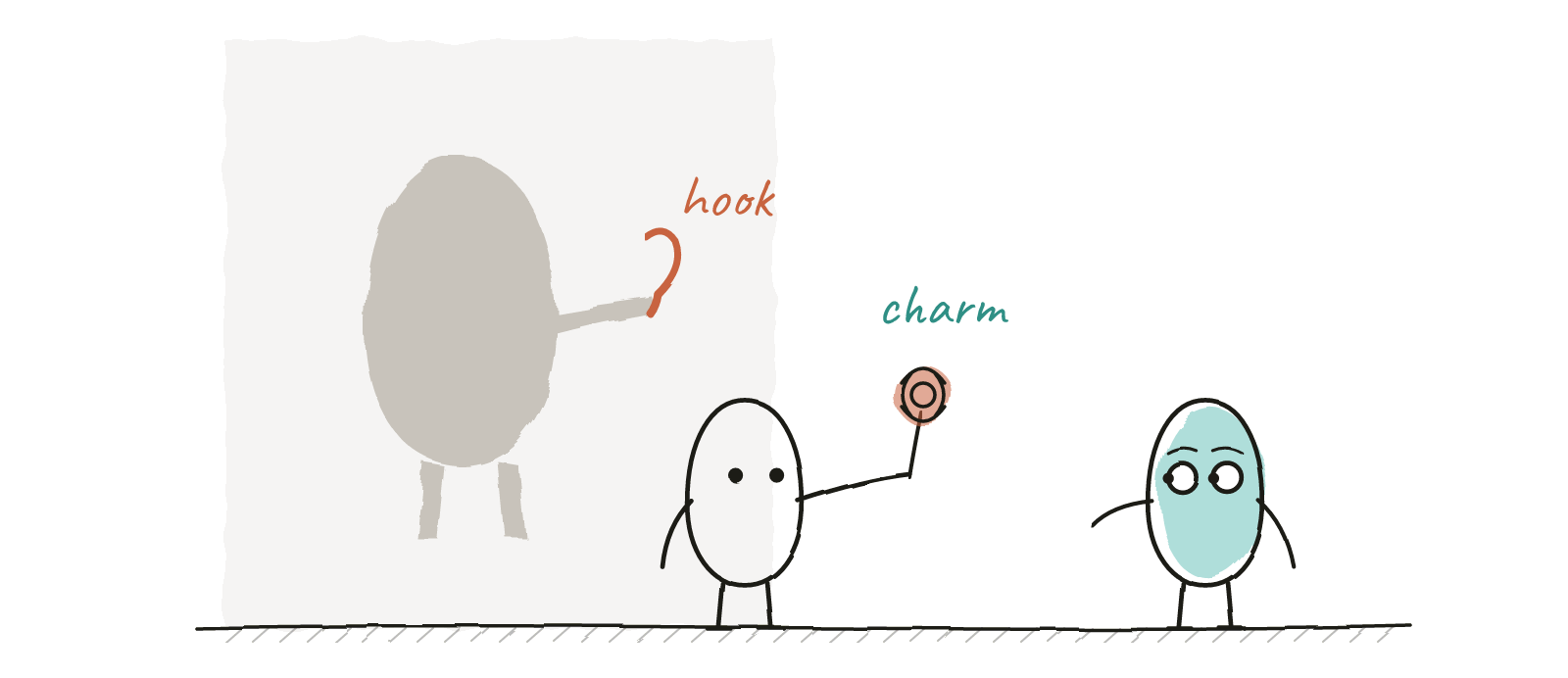
The most dangerous person in the room is often the most charming
Most people picture a manipulator as someone mad, wild and easy to spot. The real danger usually looks like the opposite.
Three personality traits are known as the most harmful ones a person can have. Together they are called the dark triad.
The first is Machiavellianism, always scheming for your own gain. It is named after Machiavelli, whose classic book The Prince lays out the tactics of people who seek to influence others. A person high in it always has a strategy. They think through every action in terms of what it does for them and for their image. Their whole approach fits in one question: "How will this action benefit me, and how will my public perception be impacted as a result?" They are skilled at serving themselves while keeping people around them fond of them.
The second is psychopathy: charm that is only on the surface, acting without thinking, and never feeling sorry. A psychopath also lacks empathy, the ability to feel what someone else feels. People imagine a psychopath as a madman with a machete. A true psychopath is more likely to be the charming, handsome stranger who wins a victim over before ruining their life. Some top people in business score high on psychopathy tests. They rise easily because they do not hesitate the way people with compassion do.
The third is narcissism. Loving yourself is not the problem. A narcissist thinks they are worth far more than they are and sees themselves as better than everyone else. They cannot accept criticism of any kind. They need praise, recognition and agreement all the time, and they arrange their lives to stay close to people who give it.
A fourth trait often joins the three: sadism, taking pleasure in someone else's pain. The pain does not have to be physical. Many sadists enjoy tearing a person down in their mind.
Two types act very differently. A narcissist reacts. They may lie or try to scare you, but they have no plan. Their pride drives them. And because they care what others think, they can be manipulated too. A sociopath is close to a psychopath: someone with a lasting disorder that makes them ignore rules, other people's safety and the truth. A sociopath plans. They have no fixed face. They can put on whatever personality suits the moment, act humble, even seem sorry, all as part of a strategy. That makes them much harder to spot.
And people with nothing wrong with their mind at all, in perfect mental health, are also capable of manipulating others when the circumstances are right.
Small tricks can bend a choice without a single lie
Many manipulation moves are tiny. Each one changes the way a choice is set up in front of you, not the facts.
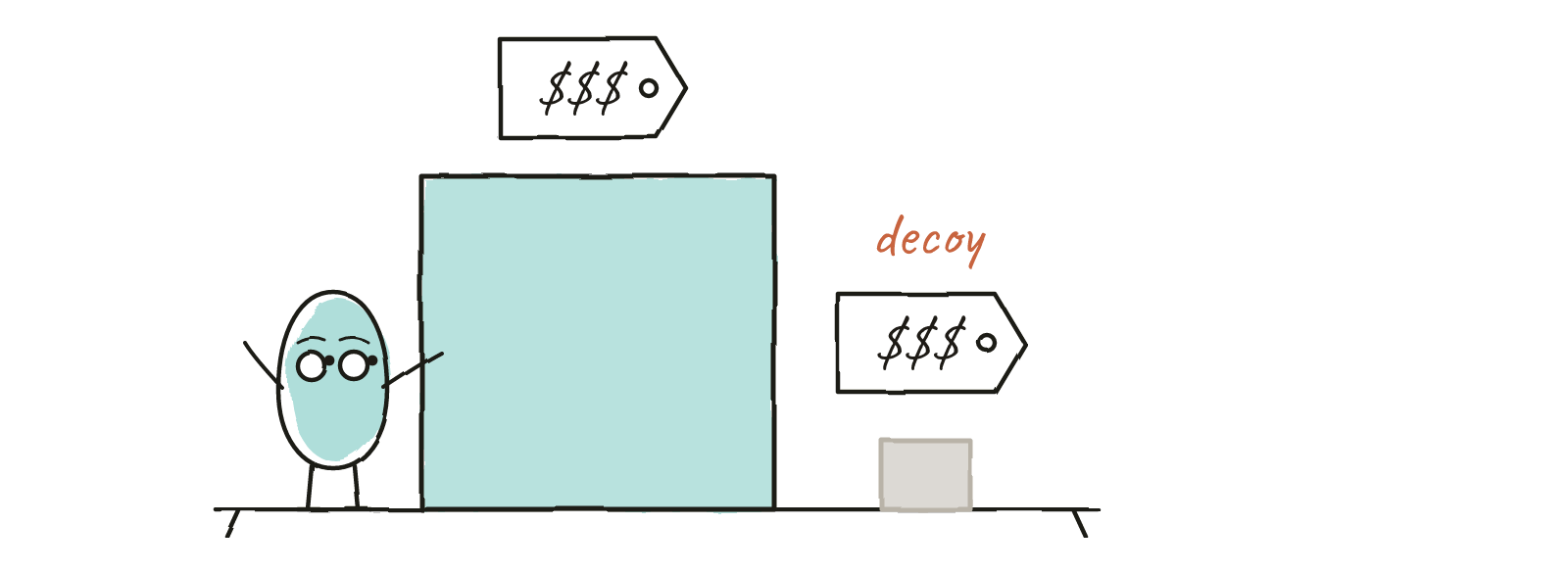
The decoy. A seller wants you to buy the more expensive of two products. So they add a third: a decoy that costs the same as the expensive one but does less. Next to the decoy, the expensive product suddenly looks like a deal.
The rush. In an argument, speaking fast gives the other person less time to process what you say, so they are more likely to agree.
The confusing price. Instead of a price tag of 4 dollars, write 400 pennies. People stop to work out what 400 pennies is, and if they bargain, they bargain in pennies.
The tired moment. Ask for something when a person is mentally drained and exhausted. They are far less likely to question it or refuse.
The price last. Talk about everything a thing gives the buyer first, and name the price at the very end. If you are selling a car for 1000 dollars, list its features, its details and its benefits, and only then the price. By then the benefits have done their work, and the price feels smaller.
None of these is a lie. Each one is a small push on where your attention goes, and on how much time you have to think.
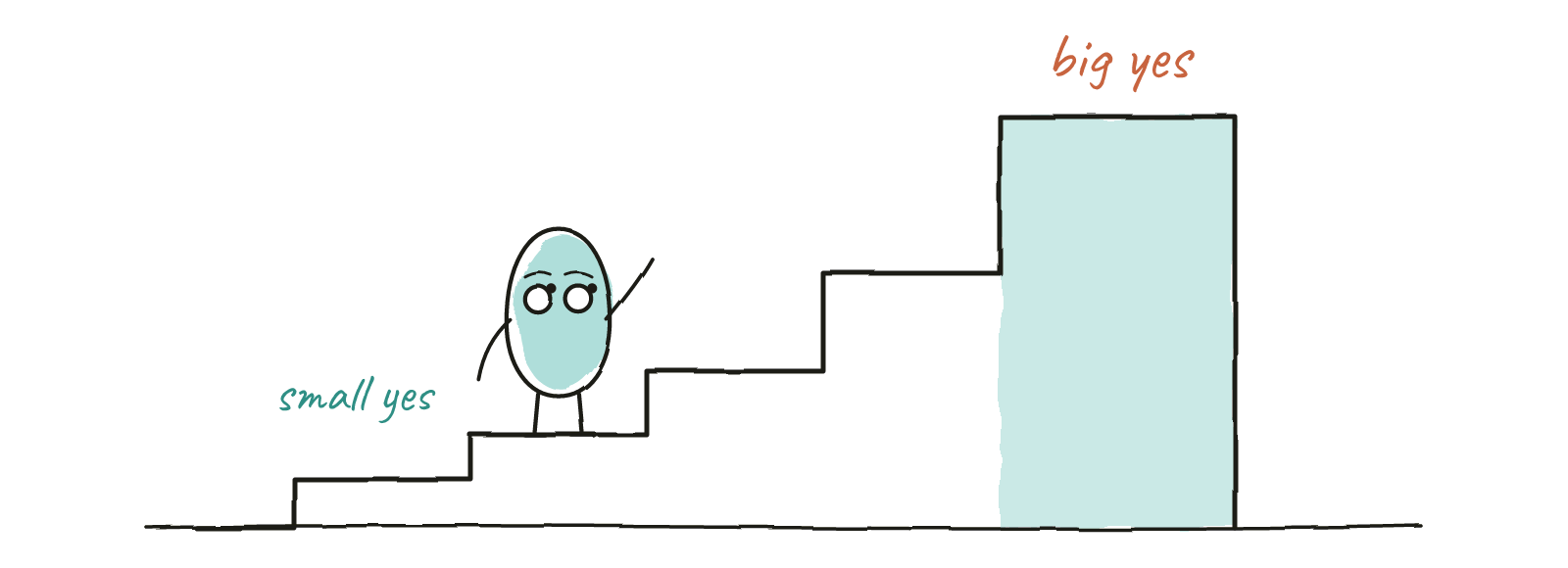
A small yes opens the door to a big one
A big request is easy to refuse. A small one is hard to refuse, and once you have said yes, the next step feels like only a little more.
Picture someone who wants a big raise. They do not ask for the big number. They ask for a small raise, based on their work and loyalty. The boss agrees and feels they got off cheap. Then the employee offers to take on more work, maybe a few hours on a Saturday so the company does not need to hire someone. Now they carry more responsibility, so it seems only fair to give them a little more pay. Step by small step, they reach the number they wanted from the start.
A writer who wants a guest post on someone's blog does the same. They do not send the whole piece. First a paragraph or two about the idea. Then an outline. Then the full draft. A seller asks a customer for a few lines of praise in an email. Then for half a page. Soon the customer is ready to praise the product in an hour-long online video.
Two more pressures ride along with the small steps. The first is repetition. Hear the same idea again and again and you start to re-examine what you thought before. Often you land on a new conclusion, theirs.
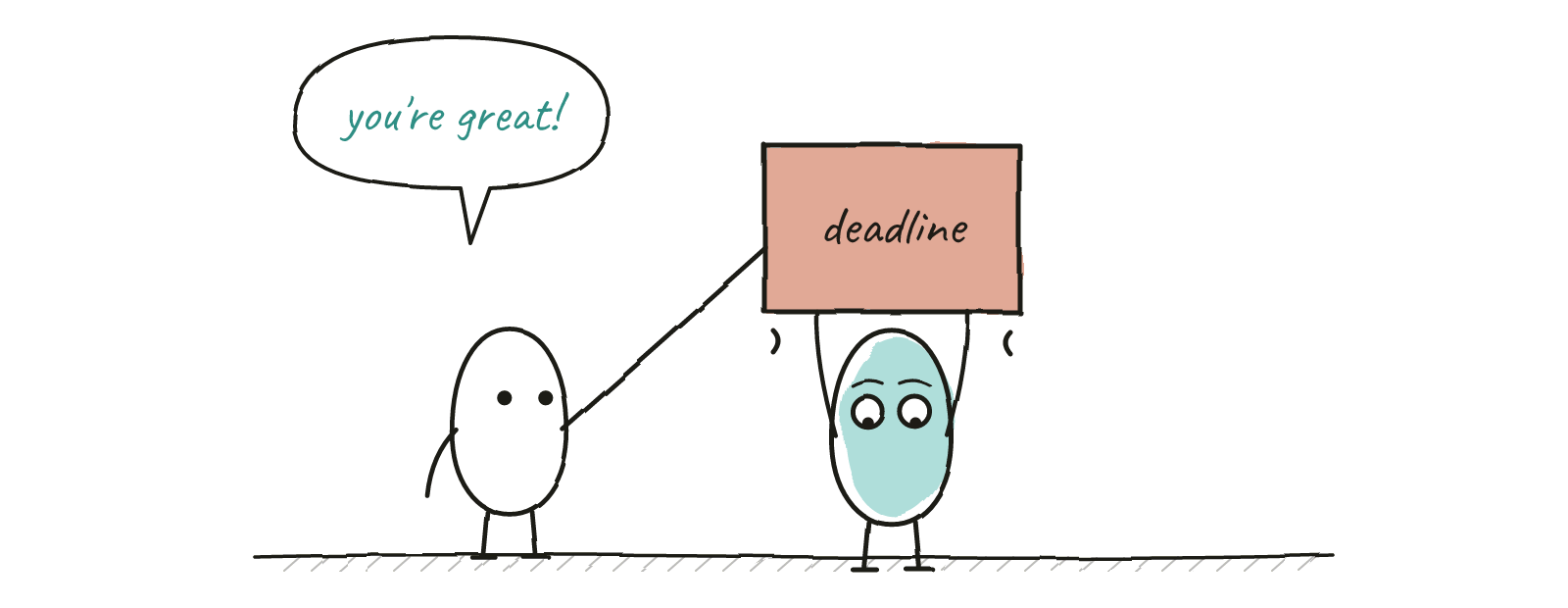
The second is urgency, the sense that this cannot wait. The more urgent a thing feels, the less time you have to ask questions or have second thoughts. A favorite version is the fake deadline: the seller who says the deal may not last, or that another customer is coming to look. A real deadline exists. A fake one is invented to rush you.
Watch for one more sign: a person who keeps you from asking questions until they have finished explaining everything. By the time they stop, people often forget the questions they had.
A gift can turn into a debt
When you feel you owe someone, it is hard to say no to them. Someone gives you their time, their effort, their attention. You appreciate it and you remember it. Then, when they want something, saying no feels like breaking a deal you never signed.
The same works with help. If someone helps you reach a goal or sorts out a problem for you, you feel obliged to return the favor. When the time comes, that feeling is a lever.
And if you resist, the giver often needs only one thing: a gentle reminder of everything they have done for you.
Fear, then quick relief, moves people fast
Frightened people say yes. Anxious people respond better to requests, because their minds are busy with the danger around them.
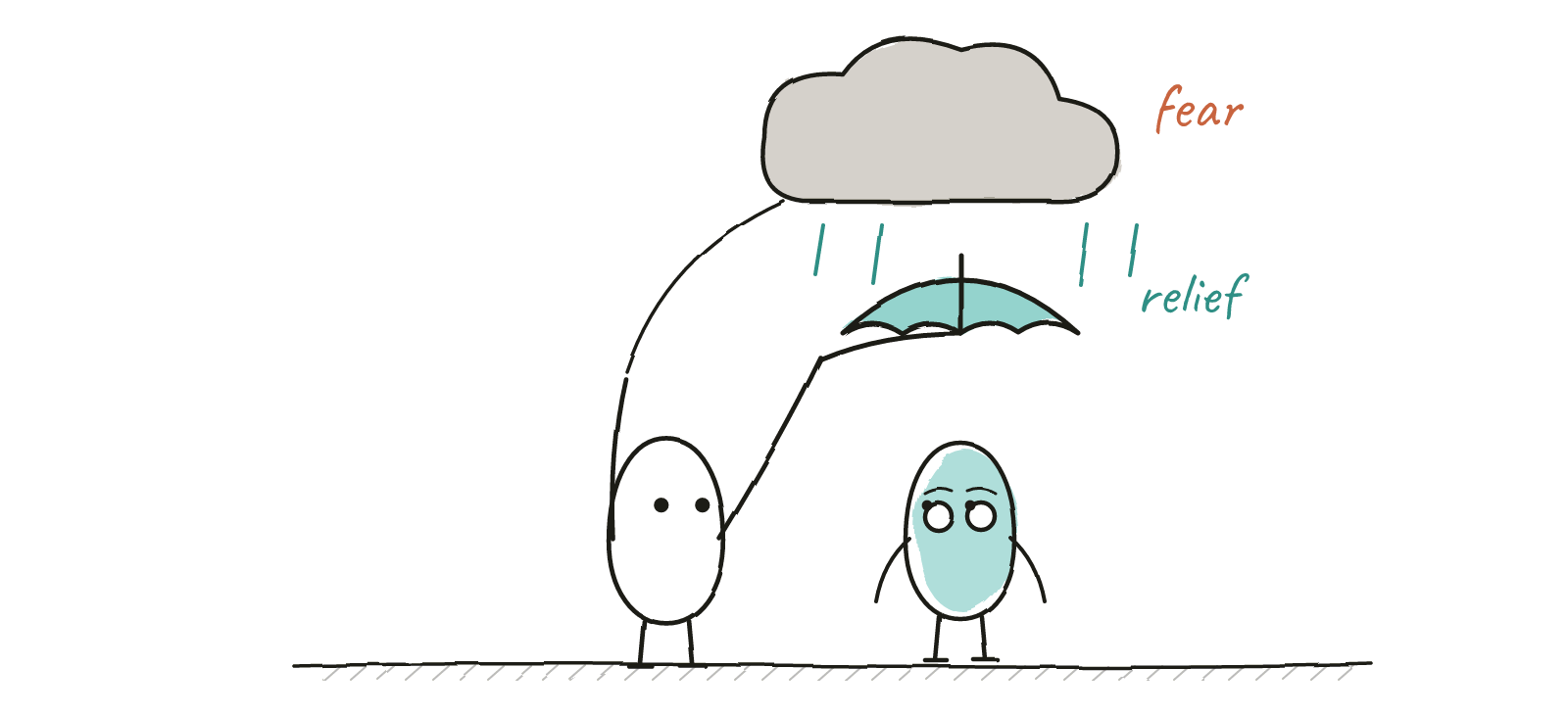
A sharper version of this has three steps. Call it peace, fear and relief.
First comes peace. The manipulator talks with you as usual and gets close to you. Starting with fear would make you distrust them, and then the relief would mean nothing.
Then comes fear. They give you the impression that something bad is going to happen, bad enough that you are ready to change what you were going to do.
Then, quickly, comes relief: there is still something you can do. The relief has to arrive soon after the fear. Otherwise you would link the fear to the person who brought it. Done fast, you link them only to the rescue.
Politics is full of this. Politicians work on the emotional part of your brain with fear, disgust and anger, and almost never with compassion or hope. Other moves are quieter. They tell you turnout, the number of people who vote, will be high, because if they said it would be low, fewer people would bother to go. They send ads and letters asking what your relatives and friends would think of you if you did not vote.
Being watched changes behavior, too. In the 2010 US election, some people got a letter encouraging them to vote. Others got the same letter with one line added: someone would call them later to hear about their voting experience. The letter with the promised call brought more people out to vote than the last big national election had.
When someone copies you, you start to trust them
You like people who seem like you. A manipulator uses that.
The simplest version is copying your body. If a person subtly mirrors the way you sit, talk and walk, you probably will not notice. You will just start to like them, and liking them makes you easier to move.
Words work the same way. Everyone has their own common language: the words and phrases they use most and understand best. When someone speaks to you in your common language, you trust them more. A skilled manipulator listens for your phrases and your tone and gives them back to you. Be careful with people who quickly change their voice to match whoever is near. Be careful too when someone picks up little pieces of what you said and repeats them to win sympathy, trust or control. Criminals tend to be good at this parrot-like behavior.
This copying comes from NLP, a set of methods for changing how people think and act through words, created in the 1970s. One of its main ideas is rapport: getting someone to trust you quickly, through common language, politeness and empathy. Whether NLP really works is still debated. It has not been tested as strictly as the usual talking therapies, and studies of it disagree.
Bodies leak signals, too, and learning to read them helps you spot when something is off. A person with their arms folded is less likely to want to be approached. Constant lip biting can be a sign of trying to buy time, or of anxiety. Someone who moves around a room a lot and cannot hold your eye can seem to be hiding something. And one finding about trust is worth knowing: the face that looks most believable is a small raise of the eyebrows with a slight smile.
Watch what people do to you, not what they say
A manipulator's words can be sweet. Their behavior gives them away.
Listen to how they talk to you. They use half-truths to confuse your normal thinking. They push you to decide fast. They talk over you until you feel small. They criticize your judgment until you start to doubt yourself. They raise their voice. Your needs do not interest them.
Watch your space. At first they respect your personal space, because they are building trust. Once they have it, they step over the line. That timing shows they understood the boundary all along.
Watch what they say about others. A classic move is backstabbing: praising you to your face while spreading gossip about you behind your back. That creates rivalry between people, and the manipulator picks the side that makes them look good. If you catch a backstabber, keep them at a distance, and do not fight them with their own weapons. If they sense you know, they may try to win you back with praise. Remember it is false.
Watch how they handle being wrong. They never admit it, never apologize, and argue on even when they know they are wrong. They ridicule you and then call it a joke, so that if you push back, you are the one who is oversensitive. They roll their eyes, smirk, sigh. When nothing else works, they intimidate: they tower over you, stand too close, or give you the silent treatment until you feel guilty.
At work it can look like this. You ask a manipulative boss for a day off. It is your right, so they cannot refuse. But they want their small victory first, so they move your project deadlines forward to delay or cancel your day.
The same signs show up close to home. A teenager can wear a parent down with endless repeated requests, "can I," "how about now," until the parent gives in. A caregiver can manipulate a child by being always critical, making toxic jokes about them, or not letting them show negative feelings. Even a place meant for peace can do it. Think of a church where you may not ask questions and leaders never admit a mistake. Members are shamed for giving too little money.
Brainwashing is the same moves turned all the way up
Brainwashing is a person or a group using sneaky methods to make someone want what they want. It uses the same tricks as everything above, only harder and all at once.
It often starts with questions you can only answer yes to. "Are you tired of paying exorbitant fares for your child's schooling? What about the rising prices of gas and power supply?" A few yeses, then some facts, then the ask: vote for us. After the soft start come the heavy moves.
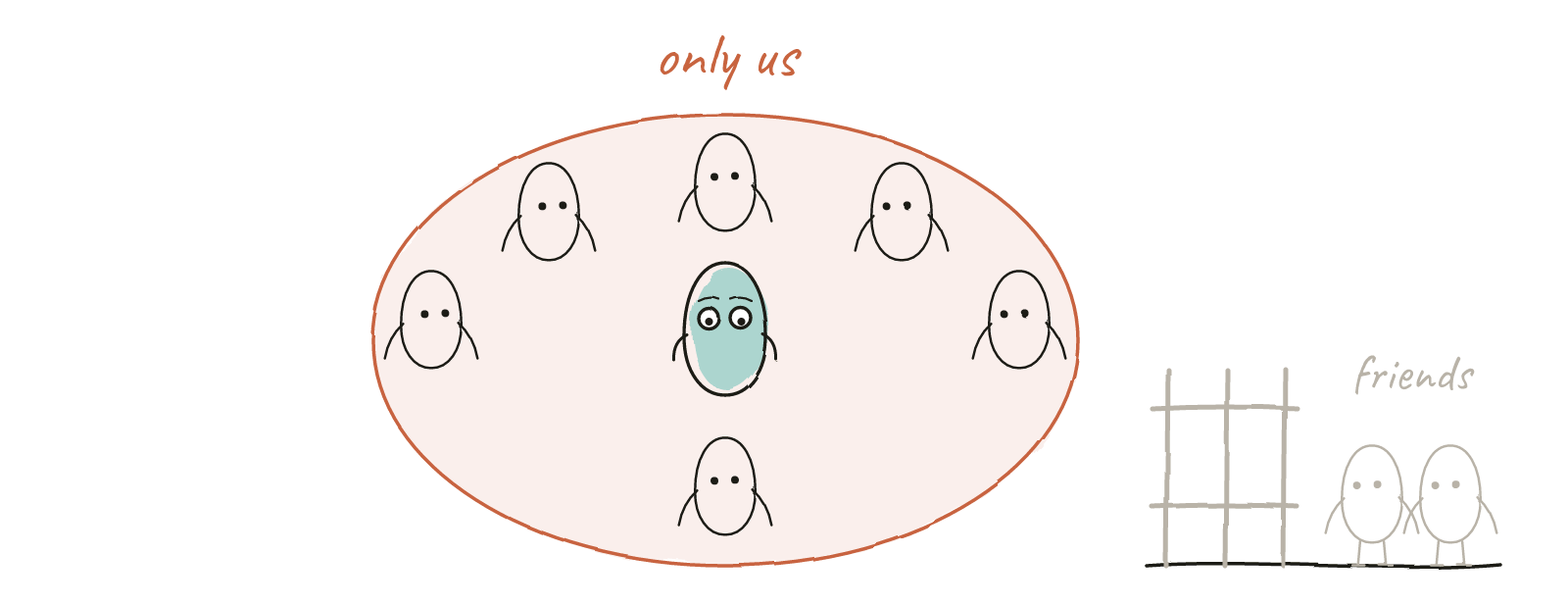
Isolation. The victim is cut off from family, friends and loved ones. Now every idea and every piece of news comes from the manipulator, and nobody outside can step in and ask what is going on.
An attack on self-esteem. Through intimidation, ridicule and mockery, the victim's will is broken down, so it can be rebuilt in the image the manipulator wants.
Abuse. Lies, public embarrassment, constant pressure with no personal space. At its worst it turns physical: no sleep, cold, hunger, noise, a light that flickers on and off.
Only the group. The victim meets only people who are already brainwashed. Everyone wants to belong, most of all a newcomer, so they start repeating what the group says.
Us versus them. The world is split in two, and the victim is offered a place on the inside, in exchange for full loyalty and obedience.
Love bombing. The victim is pulled in with touch, intimate talk, too much affection and constant praise.
Hypnosis is often named in the same breath. Its idea is to shift a person's state of mind so their usual defenses are down and they take suggestions without question. It has been used in everything from stage shows to therapy, and it is met with a great deal of doubt. In close relationships the pattern is quieter and needs no hypnosis. The manipulator starts as a close friend and builds trust. Then they start putting you down. Then they make you feel guilty, as if you owed them.
Once someone has been brainwashed, it is usually very difficult to bring them back.
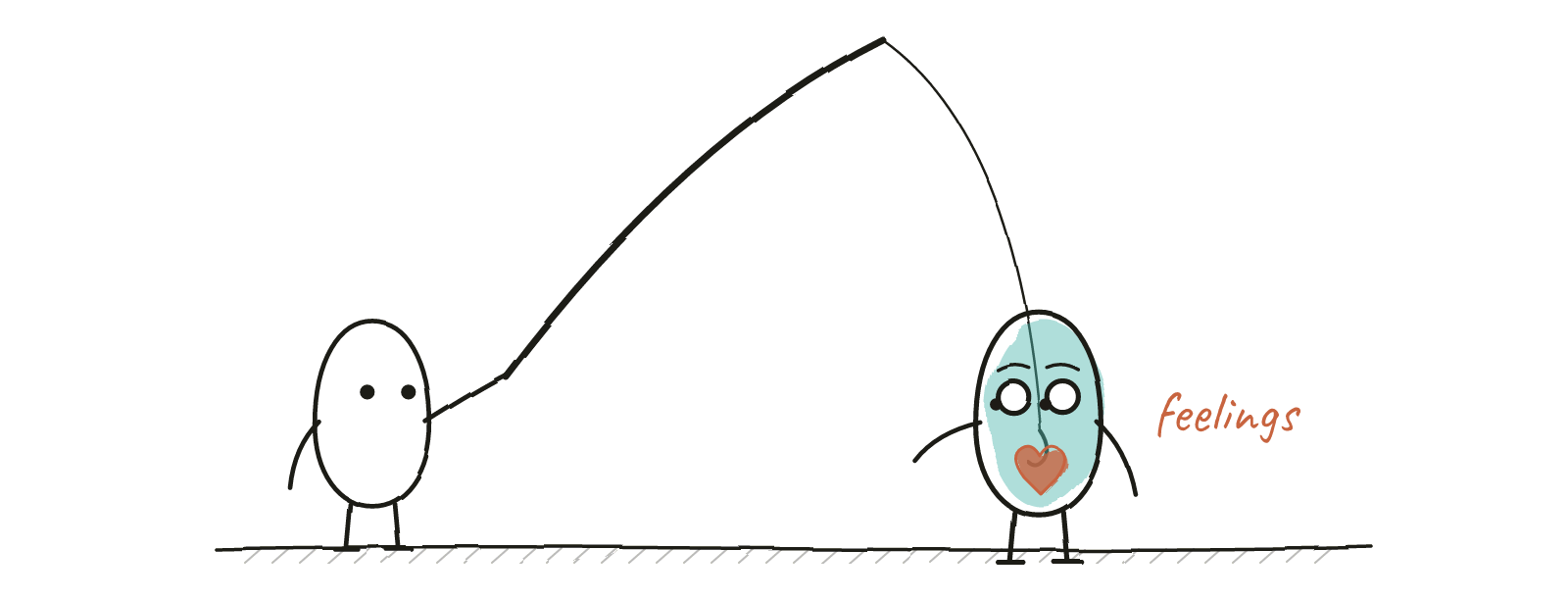
Your feelings are the handle they grab
The rush, the scare, the guilt, the warm praise. Almost every one works through a feeling, and almost every one tries to make you act before the feeling passes.
Manipulators are best at making their option feel like the easiest, the fastest and the least painful one. They keep you focused on how you feel right now. That is why people end up doing things they later regret.
The skill that protects you is called emotional intelligence. It means you can notice your own feelings and other people's, tell them apart, name them and handle them. Two parts of it matter most here. Self-awareness means you notice the feeling and see how it pushes your behavior. Self-regulation means you choose when and how to act on it, without locking the feeling away.
When someone offends a person with high emotional intelligence, they pause before acting. They think about their next word and about what the other person is feeling, and only then decide.
A small example shows the danger. You argue with your partner in the morning and go to work without settling it. You stay angry all day. A colleague makes you an offer, and you brush it off without listening. The anger from home made a decision at work. Notice that kind of spillover, and you can stop it from deciding for you. A manipulator is counting on it.
Seeing the move is how you stop it
Manipulation succeeds only when you fail to recognize it, or decide to let it happen. So a move you can name loses much of its power.
Know your rights. You have the right to be treated with dignity and respect. The right to say what you want, think and feel. The right to say no and keep saying it without guilt. The right to set your own standards and priorities. The right to protect yourself from being threatened emotionally, mentally or physically. These rights mark where your boundaries are. A manipulator's whole aim is to take them from you.
Keep your distance. Everyone acts a little differently with different people. A manipulator lives at the extremes: humble with one person, rude to the next, aggressive one minute and helpless the next. When you see that in someone close to you, keep a healthy distance. The reasons behind their behavior run deep, and changing them is not your job.
Stop blaming yourself. A manipulator looks for your weak spot and makes you feel the problem is you. Ask yourself three questions. Am I being treated with respect? Does this relationship go both ways? Am I happy in it? The answers show you where the problem really sits.
Hand the question back, and hold your line
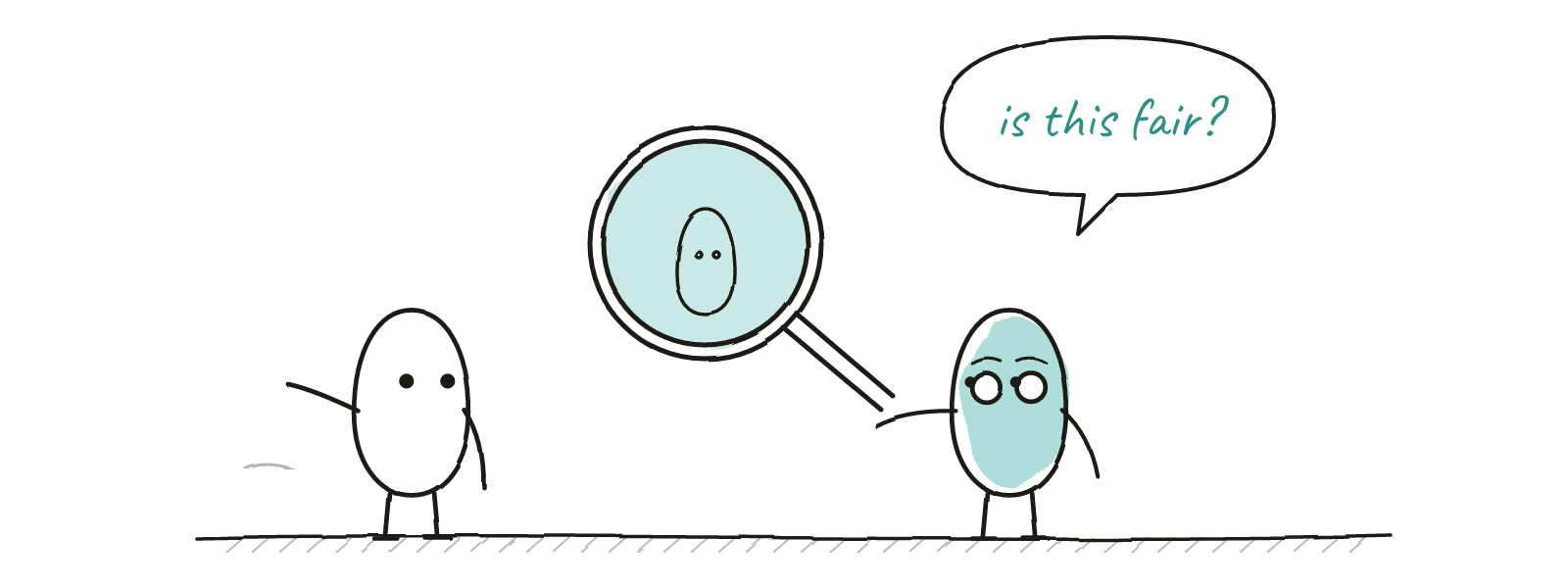
Turn the question around. When they ask something of you, ask them back. Does this seem reasonable to you? Does this sound fair? You are holding up a mirror so they can see their own move. A person who can see themselves will often back down. A true manipulator will brush the question aside and insist, and that tells you what you are dealing with.
Say no, firmly and politely. A clear no lets you stand your ground and still keep a working relationship.
Set consequences. If they keep crossing the line and do not hear your no, name what will happen if they go on. Said clearly, consequences can make a manipulator stop and start to respect you.
Stand up to bullies, safely. Bullies pick the people they see as weakest, and staying passive makes you a target. Many bullies are cowards inside and back down when their target stands up for their rights.
Think about later. Before you take the easy, fast option someone handed you, ask how you will feel about it next month. Choose what you will not have to undo.
Sometimes the best move is to step away. In one study, people chatted for about four minutes with strangers who had been told to be friendly or rude. Some were told to ignore the stranger, others to talk. Then everyone did a task that needed focus. Those who had ignored the rude people did much better.
These tricks are at work everywhere, and you cannot switch them off. But you can look up. Next time you are in a store, at work, or at a table with someone who wants something from you, watch the gesture, the question, the sudden deadline, the warm favor.
Ask yourself what it was for.
Get the next one on Sunday.
A free weekly LongForm, in your inbox.